
































Fascinating Facts About China You Probably Didn’t Know
China is a country of contrasts — ancient temples and futuristic skylines, mountain villages and megacities, silence and chaos. It’s one of the most diverse places on Earth, both in landscape and in culture.
Whether you’re planning a trip or just looking for travel inspiration China, here are some of the most fascinating facts about China that reveal its depth, mystery, and timeless beauty.
1. Home to the World’s Oldest Living Civilization
China’s history stretches back over 5,000 years, making it the world’s oldest continuous civilization.
From ancient China history — dynasties, philosophers, poets — to today’s modern skyline of Shanghai, it’s a journey where every street seems to hold a thousand stories.
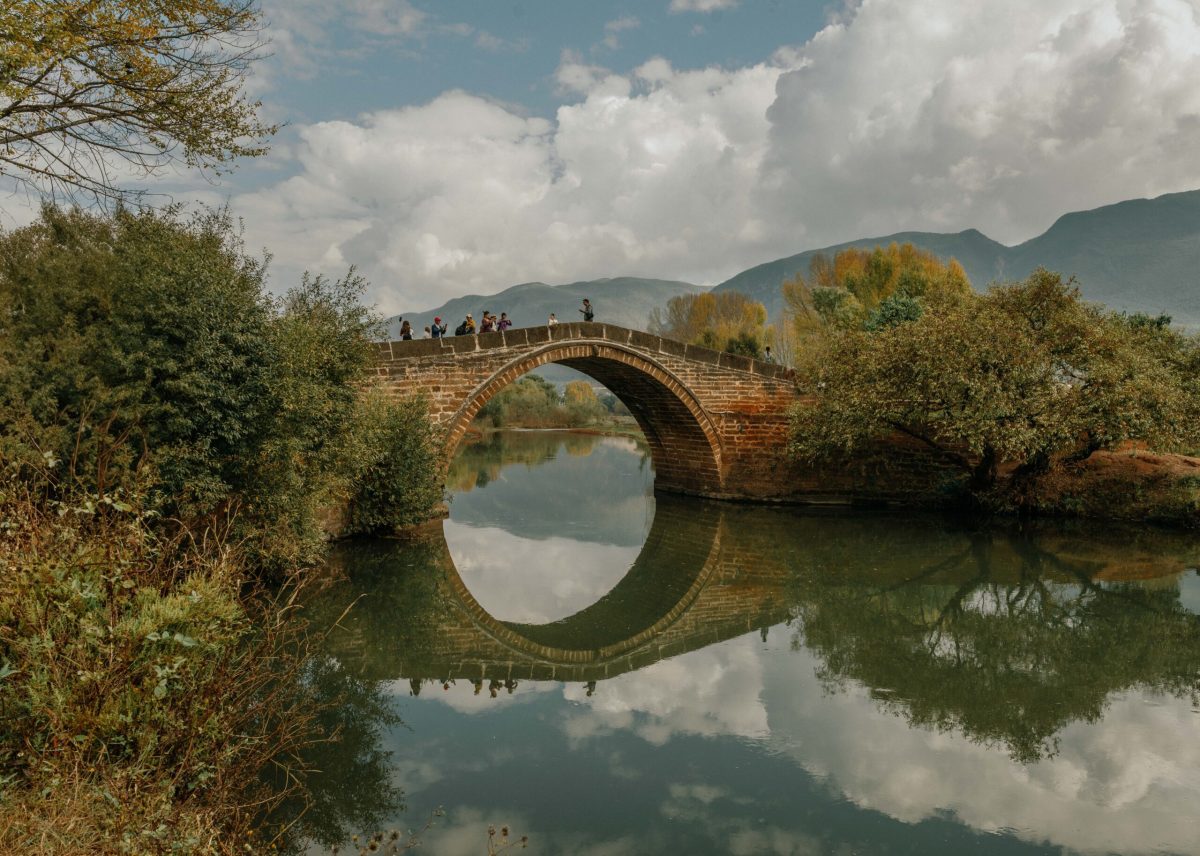
For those who love travel photography in China, this coexistence of old and new is what makes the country endlessly inspiring.
2. The Great Wall Isn’t Just One Wall
The Great Wall of China is not a single continuous structure. It’s a series of fortifications built over centuries, stretching across mountains and deserts for more than 21,000 kilometers.
Some parts have vanished into the sands, while others still stand proud against the horizon — silent witnesses of history.
At sunrise or sunset, the soft light and endless curves of the Wall make for some of the most breathtaking travel photography in China.
3. A Country of Extreme Landscapes
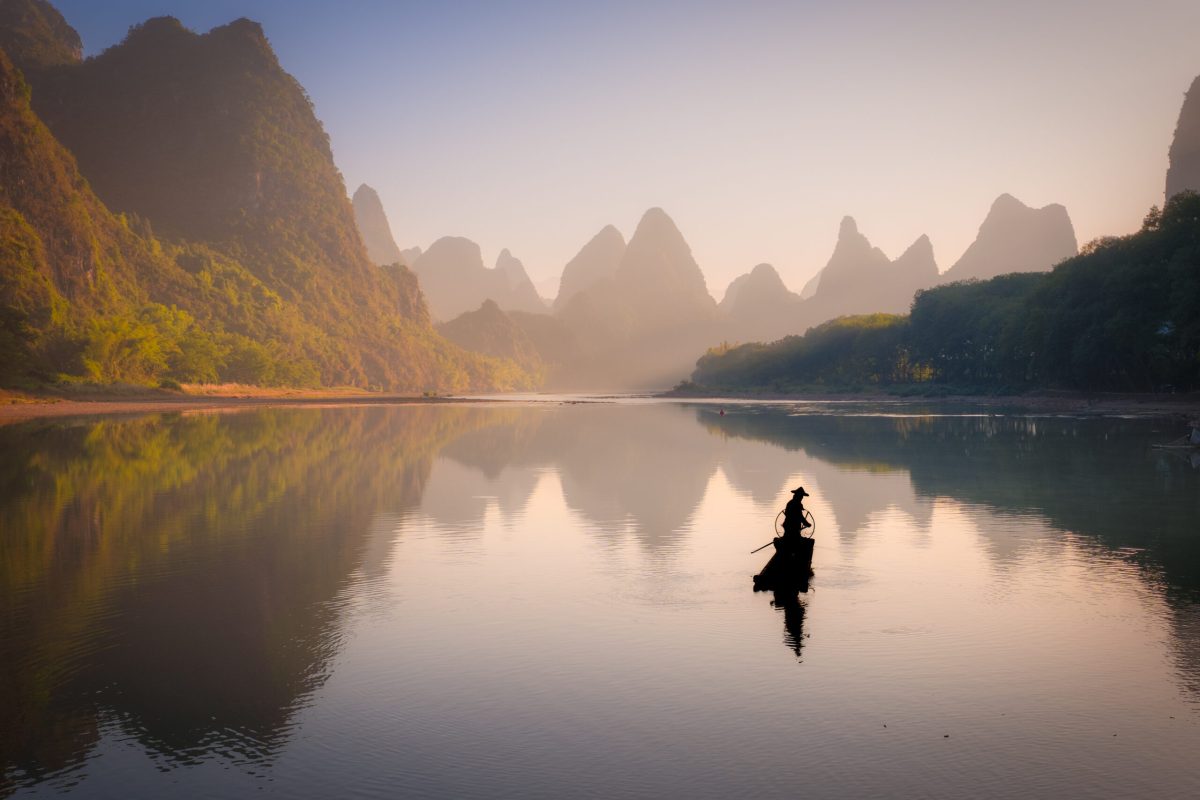
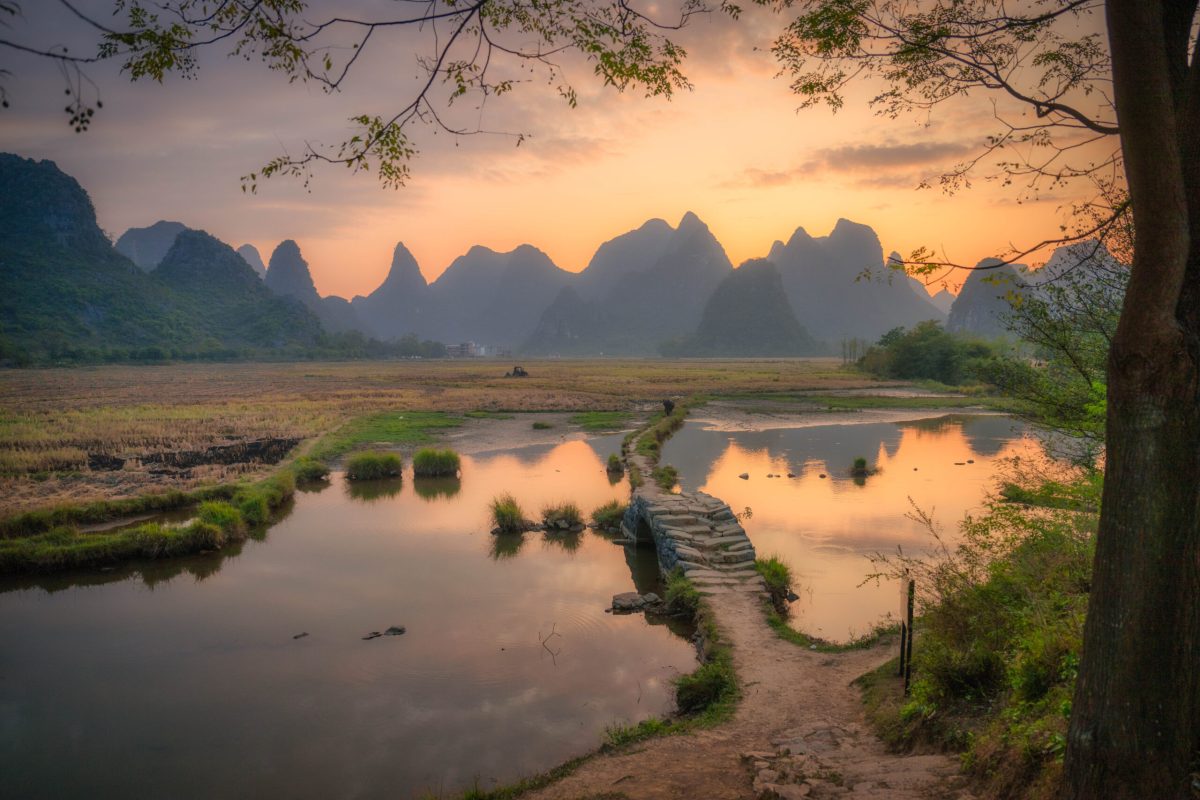
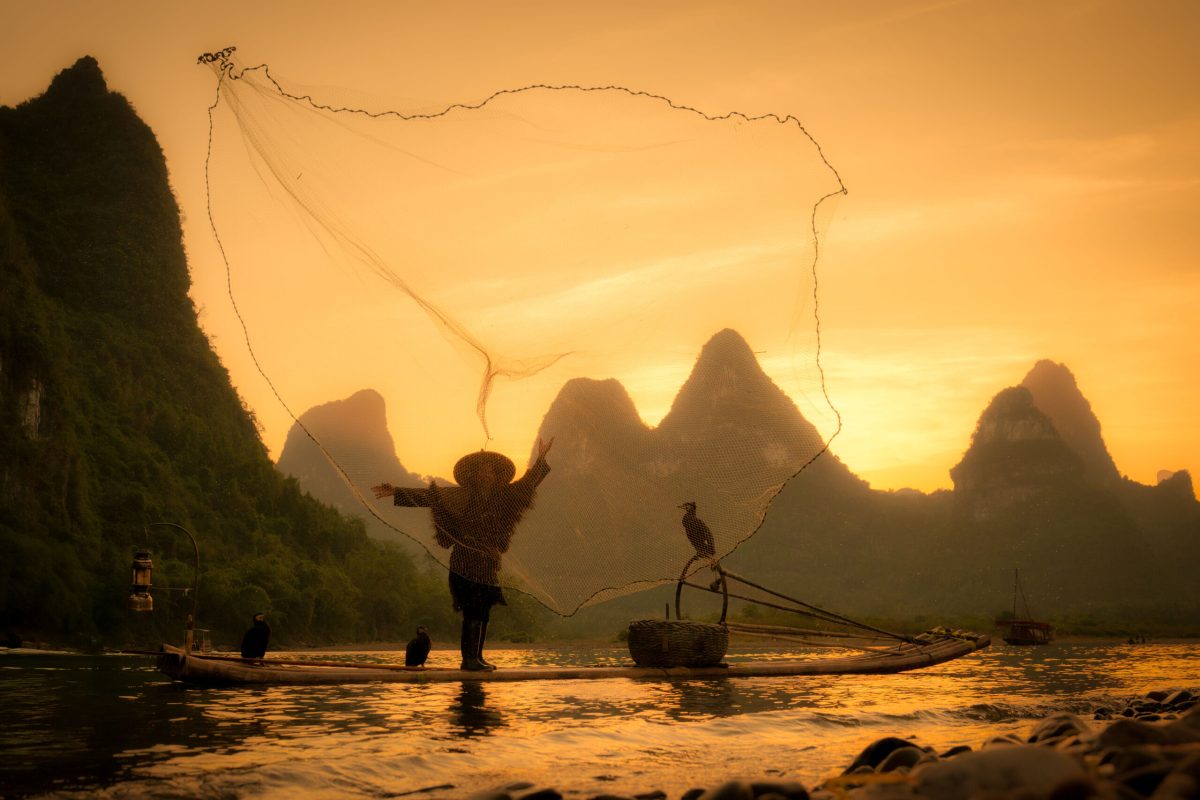
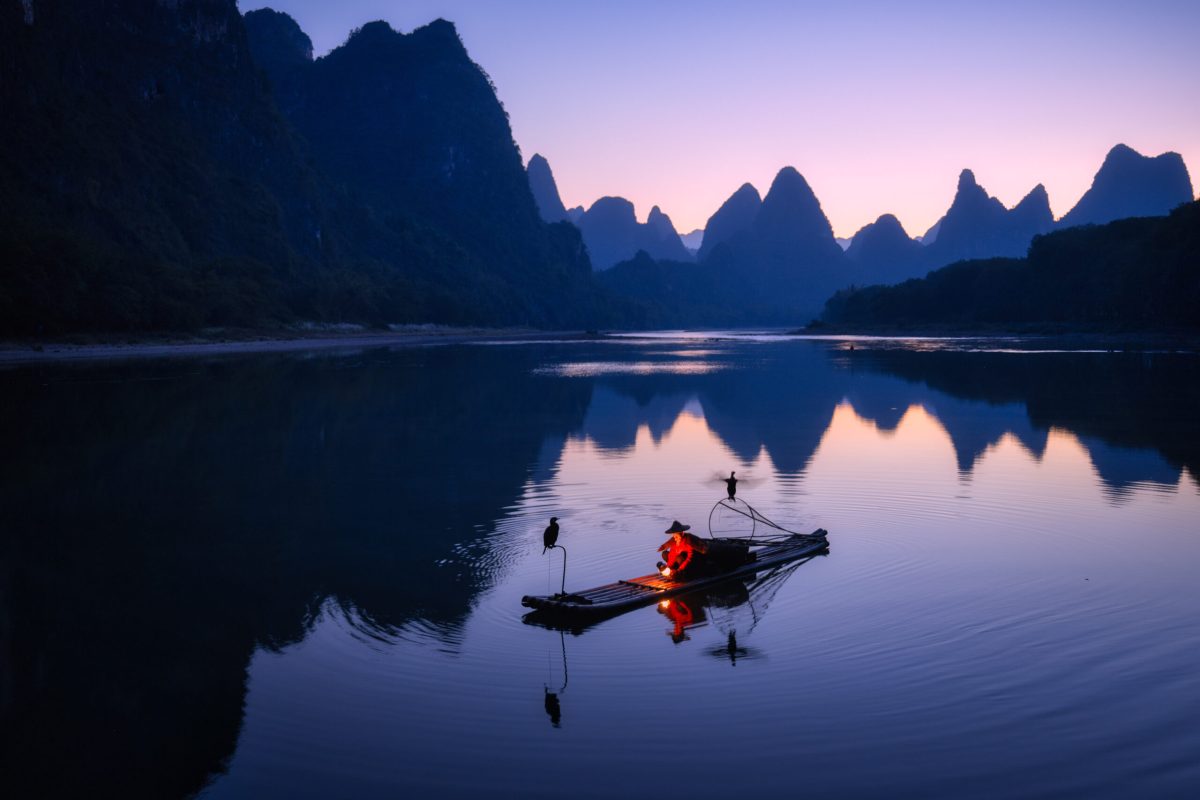
From the snow-capped peaks of Tibet to the karst mountains of Guilin, China’s geography covers almost every imaginable scene.
There are tropical beaches in Hainan, bamboo forests in Sichuan, and surreal deserts in Inner Mongolia.
For those seeking hidden gems in China, these lesser-known natural wonders offer endless opportunities for exploration and photography.
4. Pandas Have Their Own “National Park”
The Giant Panda, one of China’s national symbols, lives mainly in Sichuan province.
China has even created a Giant Panda National Park, covering an area three times larger than Yellowstone.
These gentle creatures are an essential part of Chinese culture and traditions, representing peace and harmony.
5. The Language of Tones
The Chinese language is tonal — the same syllable can have four or more meanings depending on tone.
For example, “ma” can mean mother, horse, scold, or hemp — depending on how you say it!
This makes Mandarin one of the most fascinating and complex languages in the world.
6. Tea Was Born Here
Long before coffee became a global habit, China was already drinking tea.
The first written reference dates back to the Tang Dynasty (around 1,200 years ago).
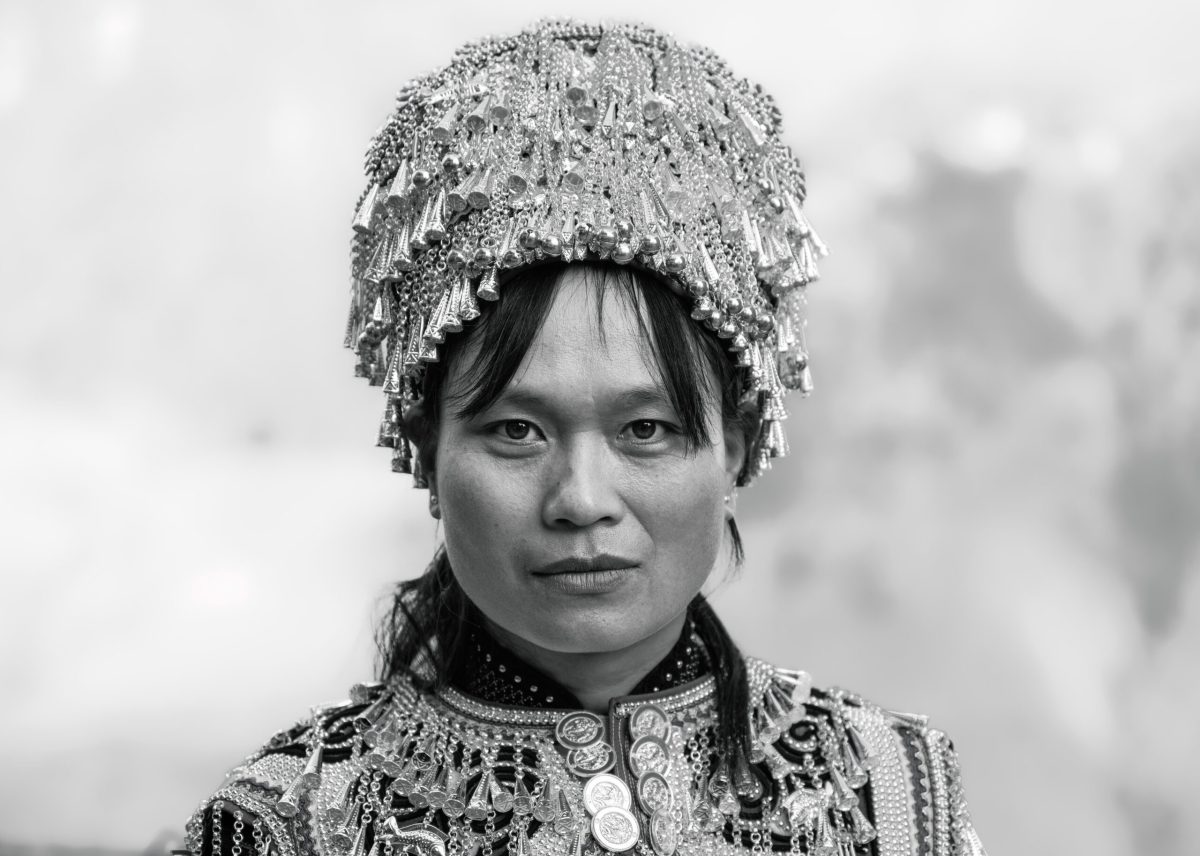
Today, the art of tea-making remains a respected tradition and social ritual, symbolizing calmness and mindfulness in Chinese culture and traditions.
7. The Ancient Art of Paper and Ink
China invented paper, printing, and the compass, shaping the foundation of global knowledge.
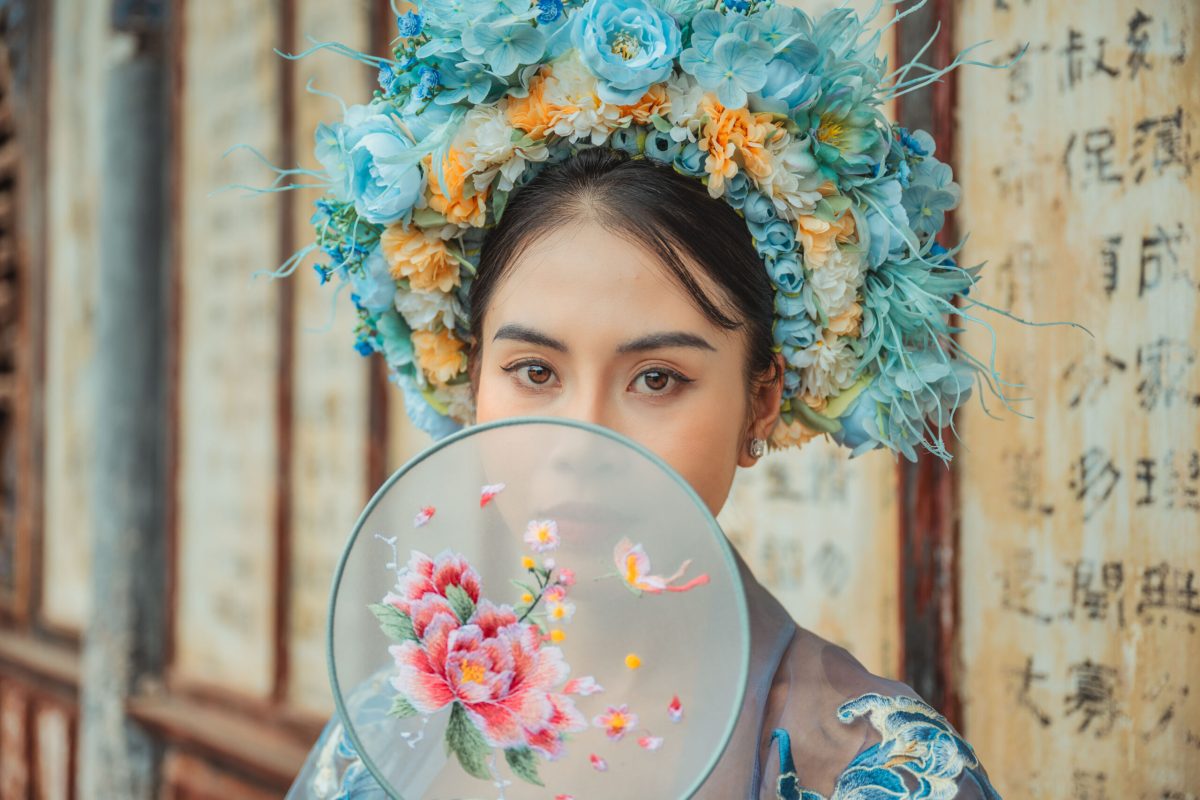
Calligraphy — writing with brush and ink — is not only a skill but a spiritual practice, reflecting the artist’s personality and balance.
Even modern artists and photographers draw travel inspiration China from these ancient techniques.
8. A Feast for Every Province
Food in China isn’t one cuisine — it’s a universe of flavors.
Each region has its own specialties: spicy Sichuan hotpot, delicate Cantonese dim sum, northern dumplings, and Yunnan’s flower-based dishes.
Tasting local food is one of the best ways to experience Chinese culture and traditions up close.
9. The City of Lights — Modern China
Shanghai, Hong Kong, and Shenzhen represent modern China cities where technology and design push boundaries.
From sky bars to neon-lit streets, they offer endless urban energy for photographers.
And yet, even amid the glass towers, you’ll find temples, markets, and quiet alleys that keep history alive.
10. The World’s Longest High-Speed Rail Network
China’s high-speed trains connect thousands of cities — from Beijing to Kunming, from Guangzhou to Lhasa.
They’ve turned vast distances into easy day trips, offering a fast, scenic way to explore hidden gems in China without flying.
Final Thoughts
China is not just a destination — it’s a universe.
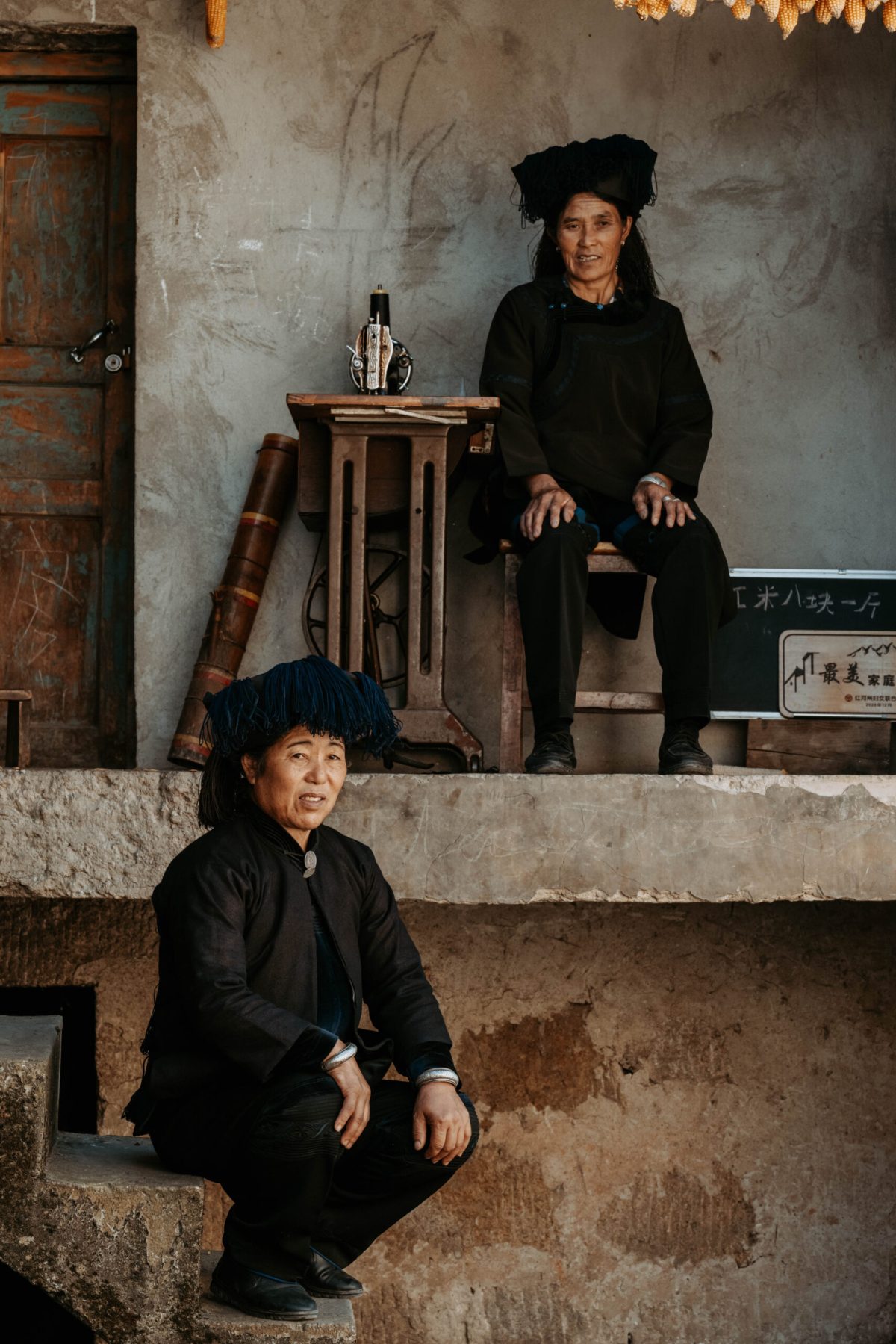
Every mountain, every meal, every person you meet tells a story that connects the past to the present.
For photographers and travelers alike, travel photography in China means more than taking pictures — it’s about capturing the spirit of a civilization that has shaped the world for millennia.