


















Fascinating Facts About Ladakh You Probably Didn’t Know
Perched high in the Indian Himalayas, Ladakh is a land of silence and light — where mountains touch the sky and monasteries seem to float above the clouds.
Known as “The Land of High Passes,” it’s one of the most otherworldly regions on Earth, offering peace, spirituality, and breathtaking beauty.
Here are some fascinating facts about Ladakh that reveal why it’s a dream for travelers and photographers alike.
1. The Roof of the World
Ladakh lies at an altitude of over 3,000 meters (9,800 feet), making it one of the highest inhabited regions in the world.
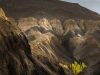
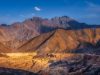
The thin air, endless valleys, and snow-capped peaks create surreal conditions for travel photography in Ladakh — where every frame feels untouched by time.
2. A Buddhist Kingdom in the Sky
Ladakh has been a center of Tibetan Buddhism for centuries.
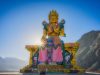
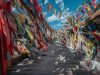
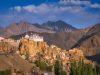
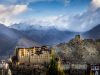
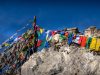
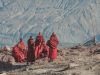
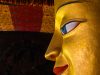
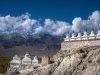
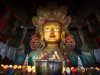
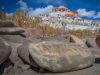
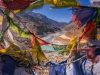
Monasteries like Hemis, Thiksey, and Lamayuru stand like ancient fortresses, filled with golden statues, fluttering prayer flags, and chanting monks.
These sacred spaces preserve centuries-old Ladakh culture and traditions, where peace and meditation still define daily life.
3. The Land of Contrasts
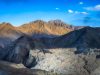
In one moment, you’re surrounded by glaciers; in the next, you’re crossing a desert.
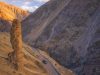
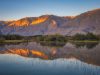
Ladakh’s geography is extreme — from the cold desert of Nubra Valley to the azure waters of Pangong Lake.
Photographers call it “a natural studio,” perfect for Himalayan photography and endless experimentation with light and shadow.
4. Home to One of the World’s Highest Motorable Roads
The legendary Khardung La Pass sits at 5,359 meters (17,582 feet) above sea level.
Driving through it feels like stepping onto another planet — a thrilling journey for adventurers and one of the most iconic sites in travel photography in Ladakh.
5. The Changing Colors of Pangong Lake
Stretching between India and Tibet, Pangong Tso is famous for its color-shifting waters — turning from turquoise to deep blue and even emerald green depending on the light.
The lake has become a symbol of travel inspiration Ladakh, its serenity contrasting with the dramatic mountains that surround it.
6. Festivals That Bring Color to the Cold
Despite its harsh climate, Ladakh celebrates life with color and joy.
The Hemis Festival, honoring Guru Padmasambhava, fills monasteries with music, masks, and sacred dance.
Each celebration is a masterpiece of movement, faith, and expression — perfect for cultural and travel photography.
7. Where Stars Feel Close Enough to Touch
Thanks to its high altitude and clear skies, Ladakh is one of the best places in the world for astrophotography.
At night, the Milky Way stretches like a luminous river across the heavens.
For photographers, the silence of the desert under starlight is pure magic.
8. The Warmth of Its People
Ladakhis live simply, often in isolated mountain villages, but their hospitality is legendary.
Sharing butter tea and stories with locals reveals the heart of Ladakh culture and traditions — resilience, respect for nature, and deep spiritual balance.
9. The Frozen Zanskar River
In winter, when temperatures drop below -20°C, the Zanskar River freezes into a natural ice trail.
The Chadar Trek across this frozen river is one of the world’s most extreme hikes — and a thrilling subject for nature photography Ladakh.
10. A Lesson in Stillness
Ladakh teaches travelers something rare — silence.
In the vast emptiness of its valleys, the only sounds are wind and prayer wheels turning.
It’s a reminder that stillness can be powerful, and beauty often lives in simplicity.
Final Thoughts
Ladakh is not just a place — it’s a feeling.
It challenges you with its altitude, humbles you with its landscape, and soothes you with its peace.
For photographers and dreamers, travel photography in Ladakh is more than a visual journey — it’s a spiritual one.
In the golden light of dawn, surrounded by mountains and prayer flags, you understand:
Some places don’t just change your photos — they change you.