

















🌋 Lanzarote – the volcanic jewel of the Canary Islands 🇮🇨
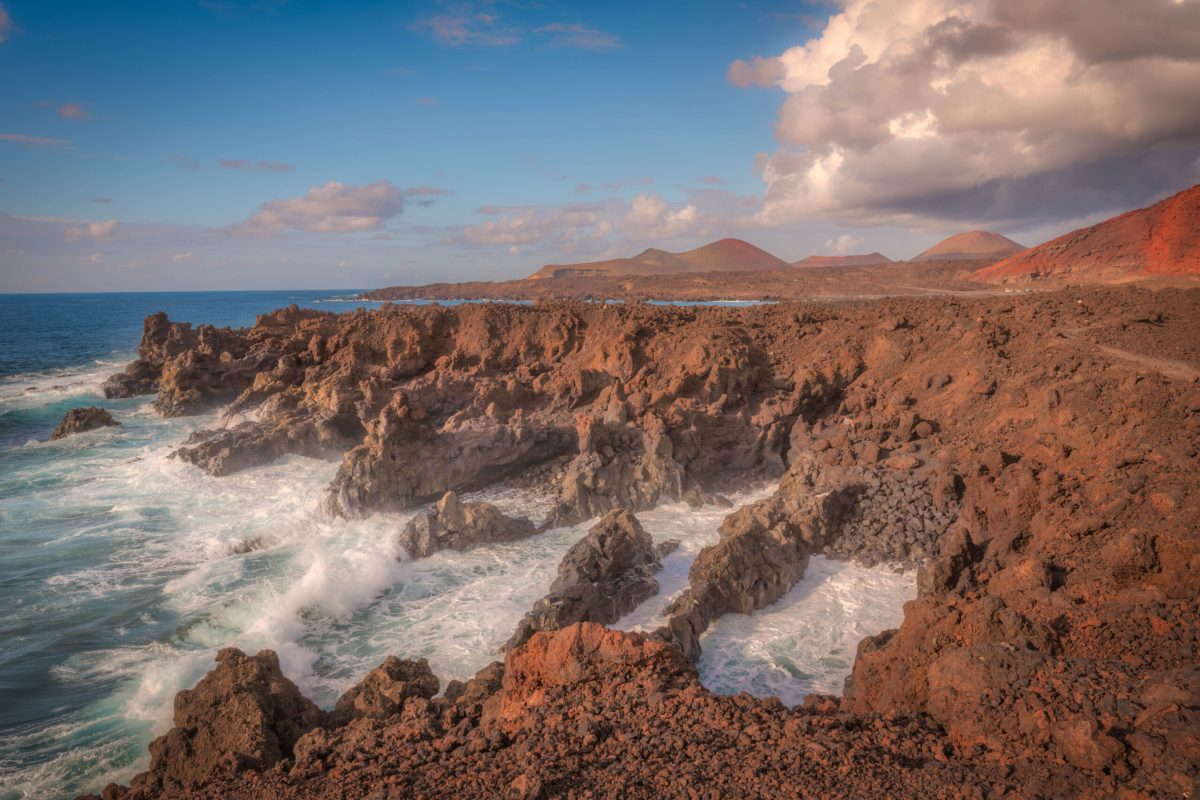
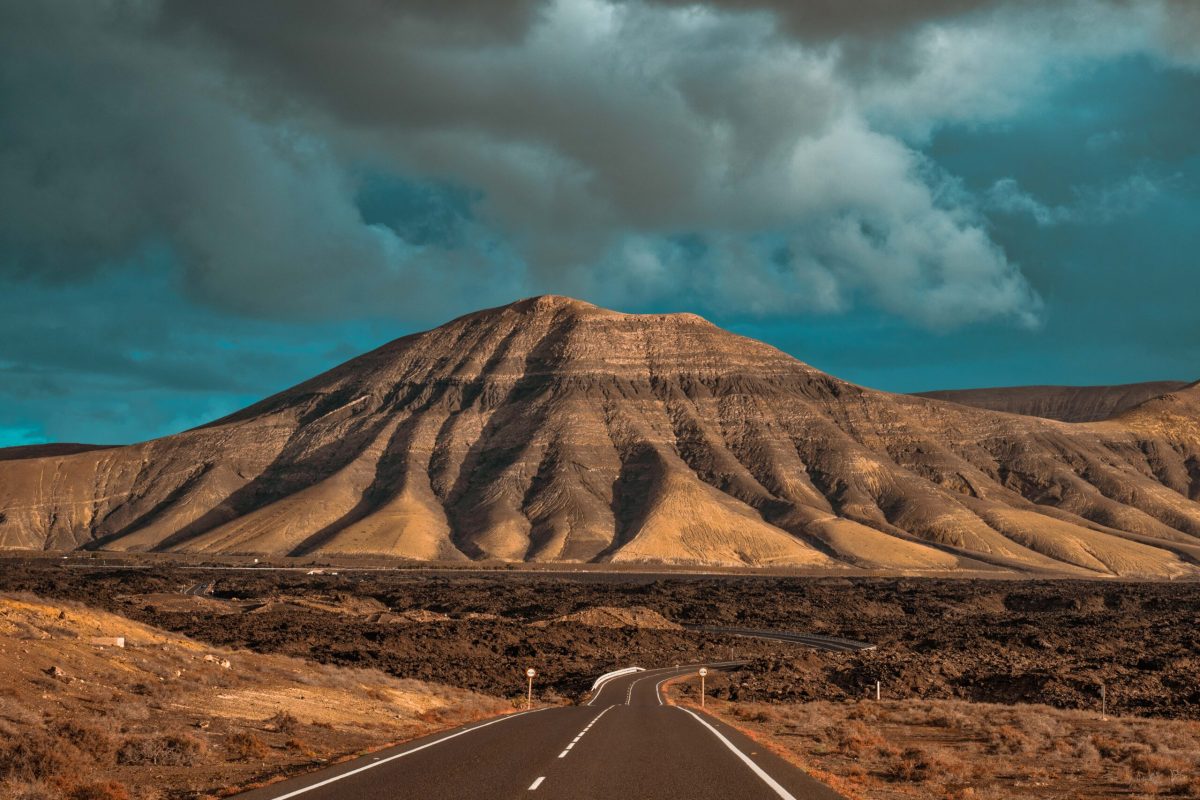
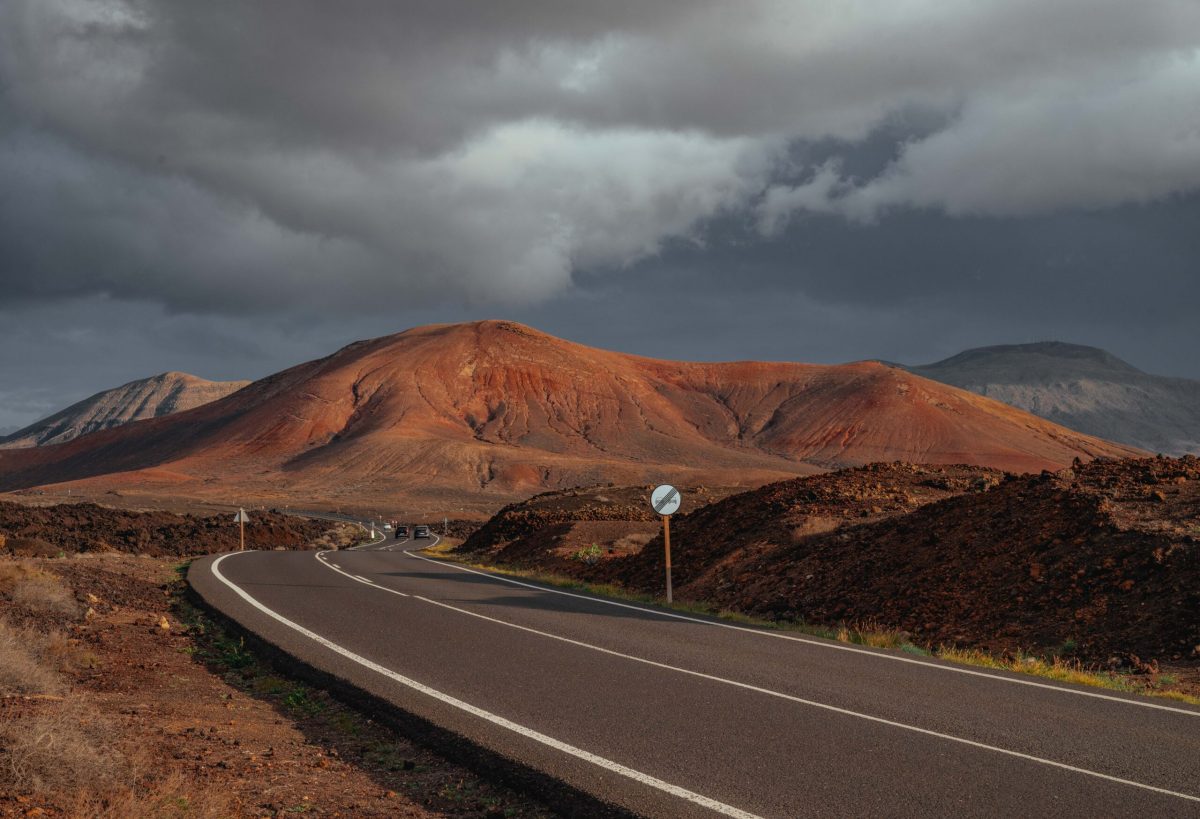
Lanzarote is one of the most unique destinations in the Canary Islands, famous for its dramatic volcanic landscape and surreal scenery. With more than 300 volcanoes, this volcanic island still shows the raw power that shaped it during the massive eruptions of the 18th century.
Timanfaya National Park – where the earth is still alive
Inside Timanfaya National Park, the ground beneath your feet can reach temperatures of up to 600°C.
• Water poured into the vents shoots back as steam — a natural geothermal “geyser show.”
• At the iconic volcano grill, chefs cook food using heat rising directly from the volcanic chamber below.
It’s one of the best places to experience the true force of the Lanzarote volcanoes.
Lava fields and Mars-like terrain
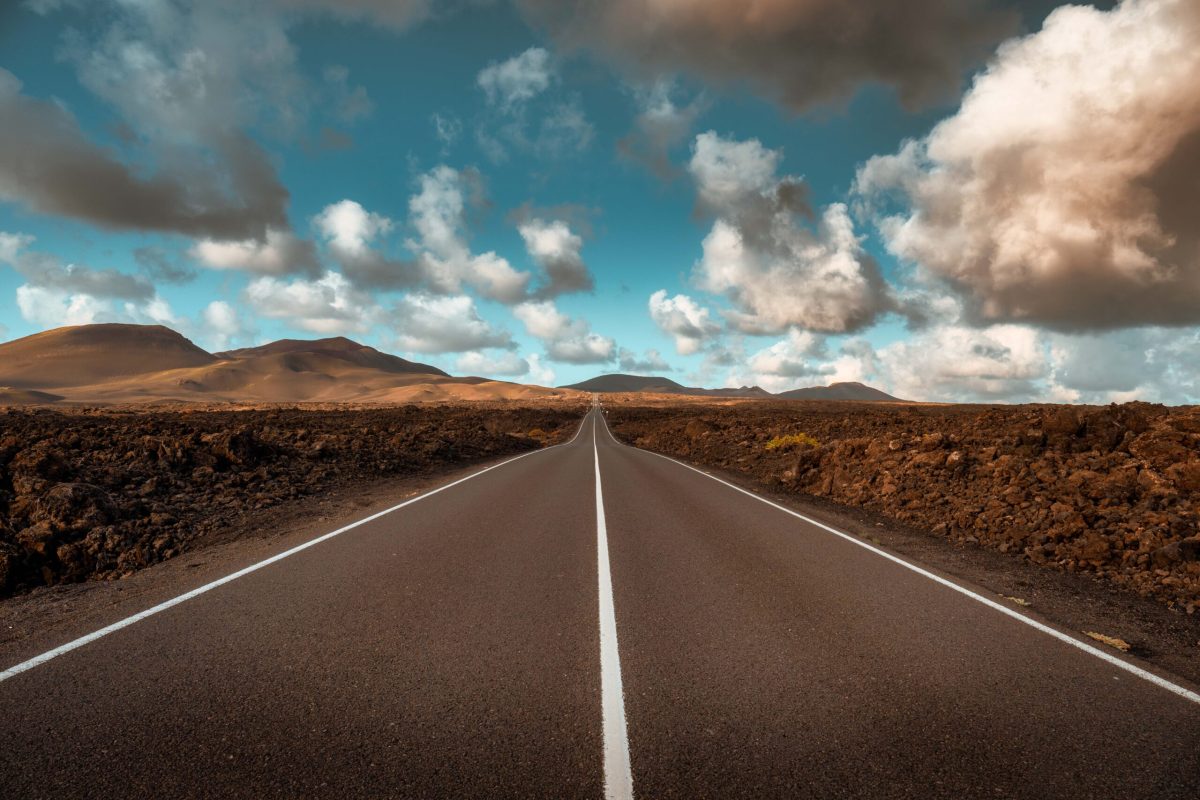
The eruptions between 1730 and 1736 buried entire villages, leaving behind vast lava fields, craters and black sand plains. Today, much of Lanzarote looks like a Mars-like terrain, so unusual that NASA has used the area for Mars mission simulations.
La Geria – the volcanic vineyards of Lanzarote
The La Geria vineyards are one of the island’s most remarkable sights.
• Vines are planted in deep pits to reach the moisture under the ash.
• The black volcanic gravel (picón) absorbs humidity from the night air.
• This unique method produces the famous malvasía volcánica wine, one of the signature flavors of Lanzarote.
César Manrique – the artist behind Lanzarote’s identity
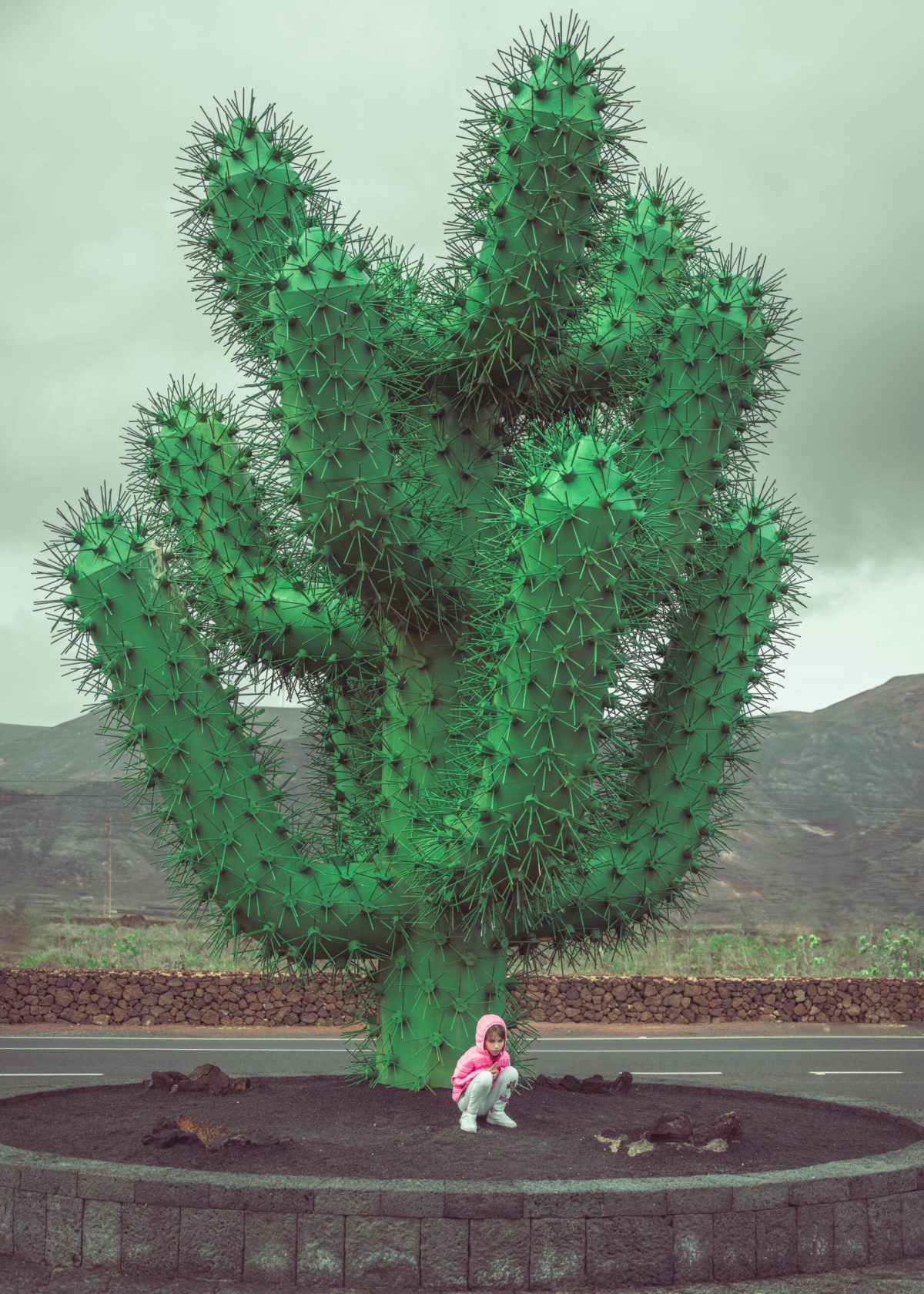
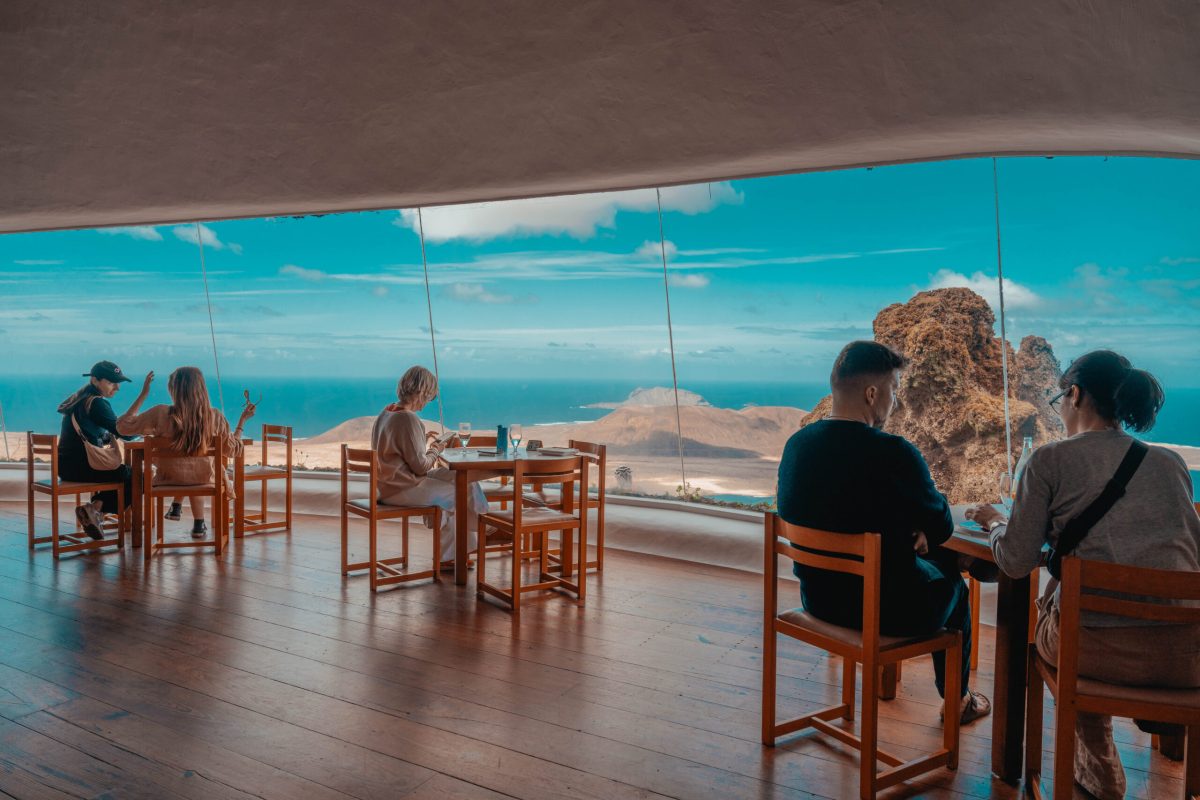
Lanzarote’s distinctive look is largely thanks to César Manrique, the island’s visionary artist and architect.
• He banned high-rise buildings
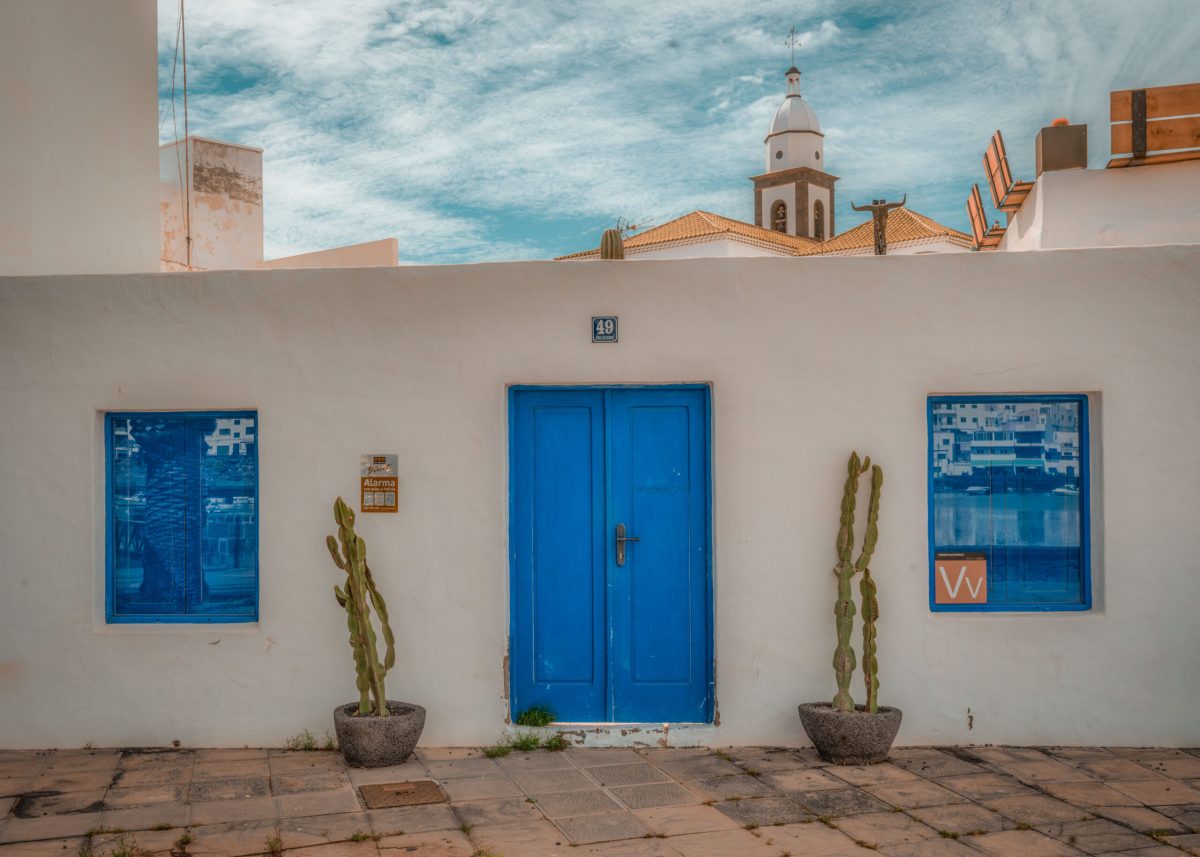
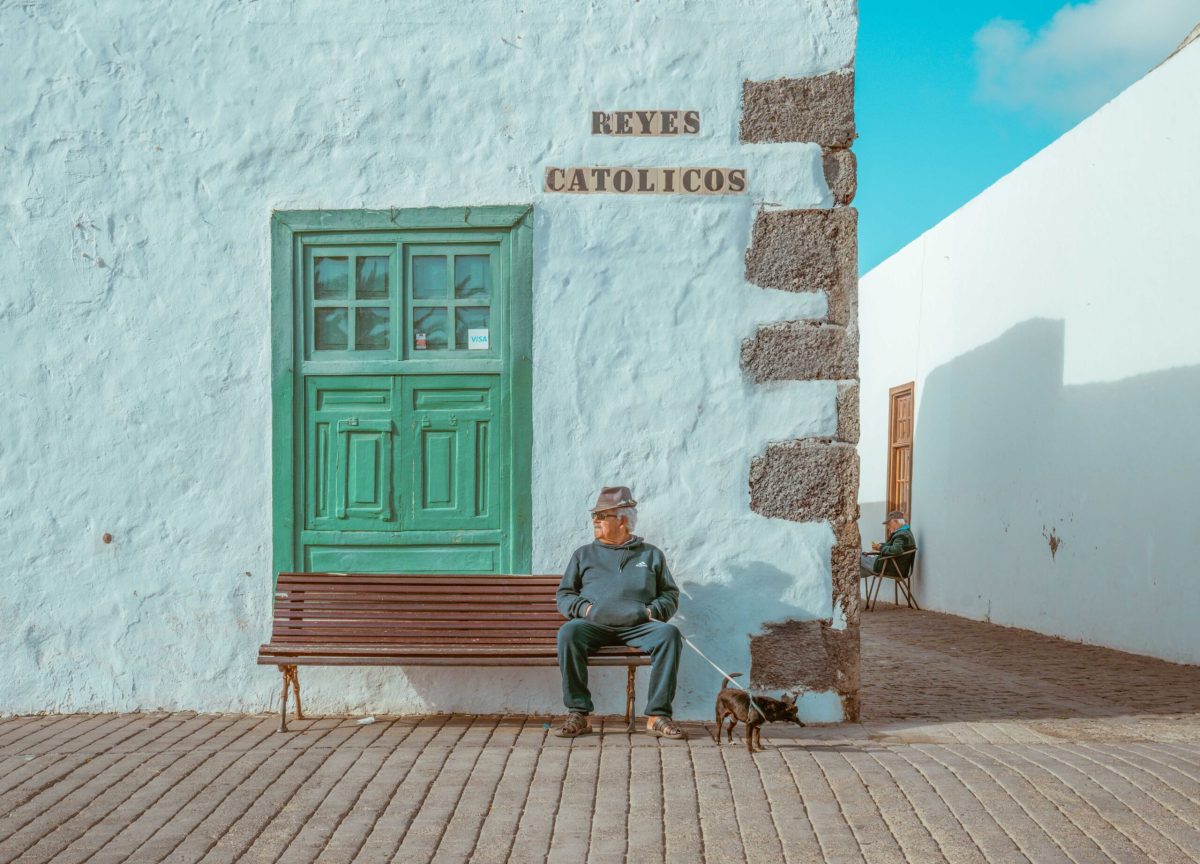
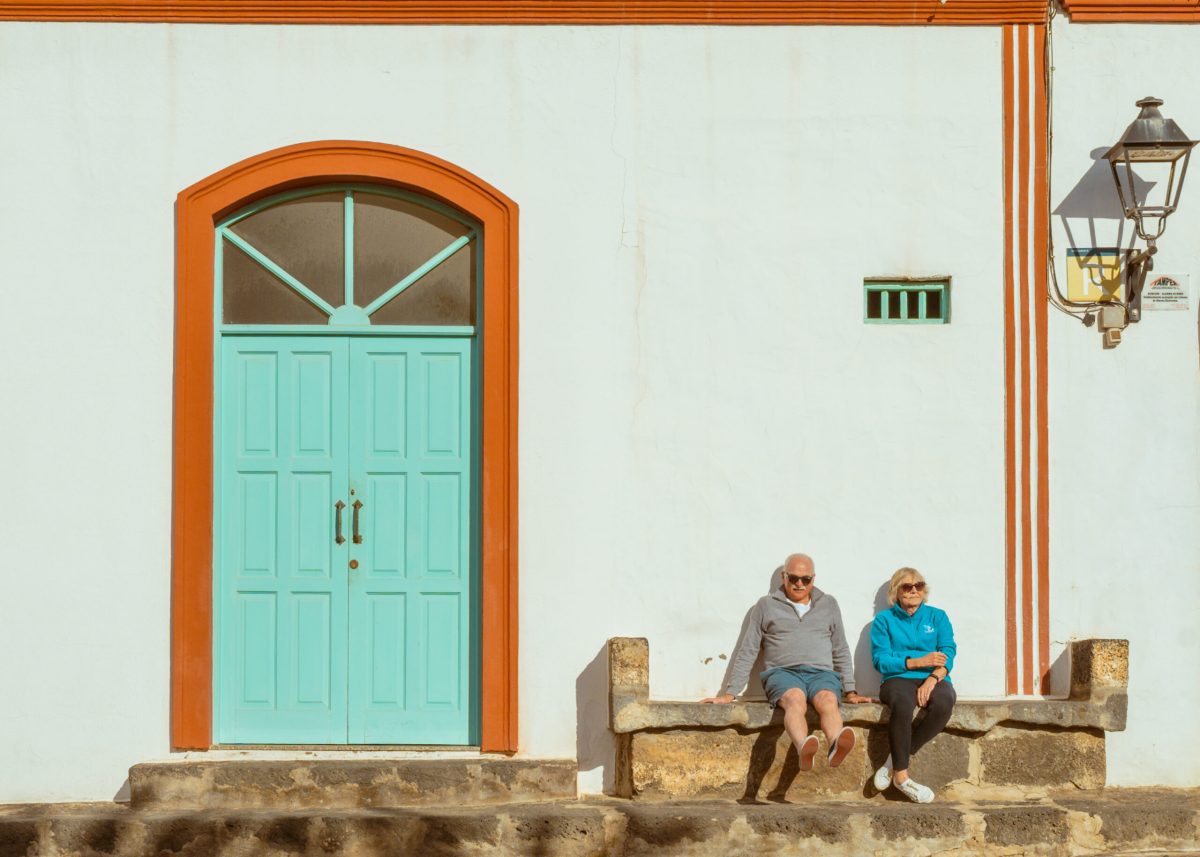
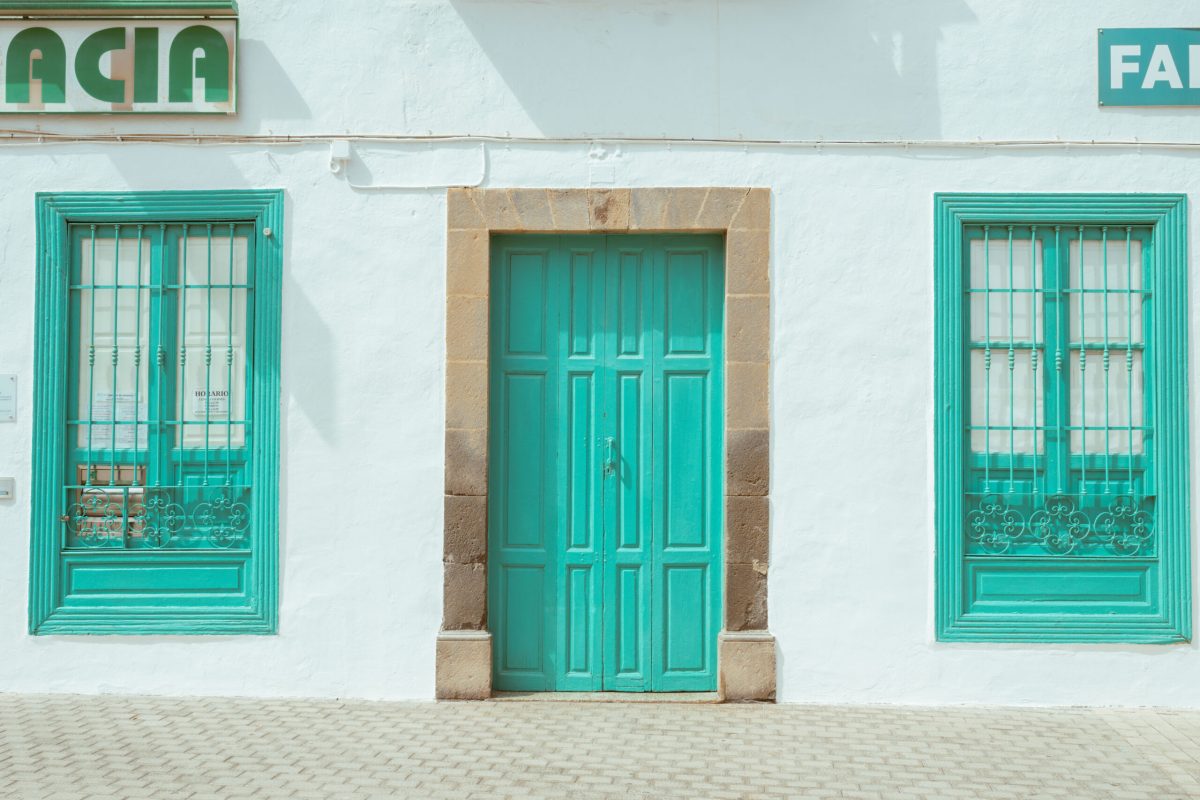
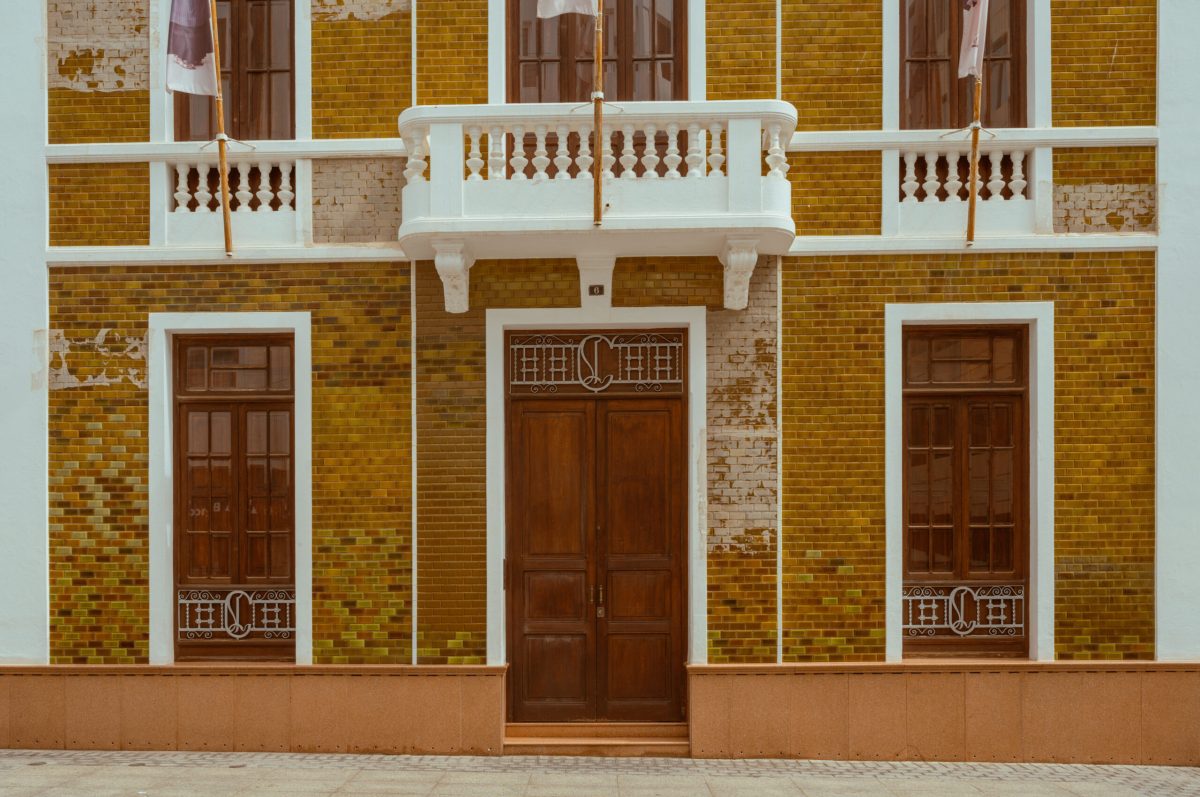
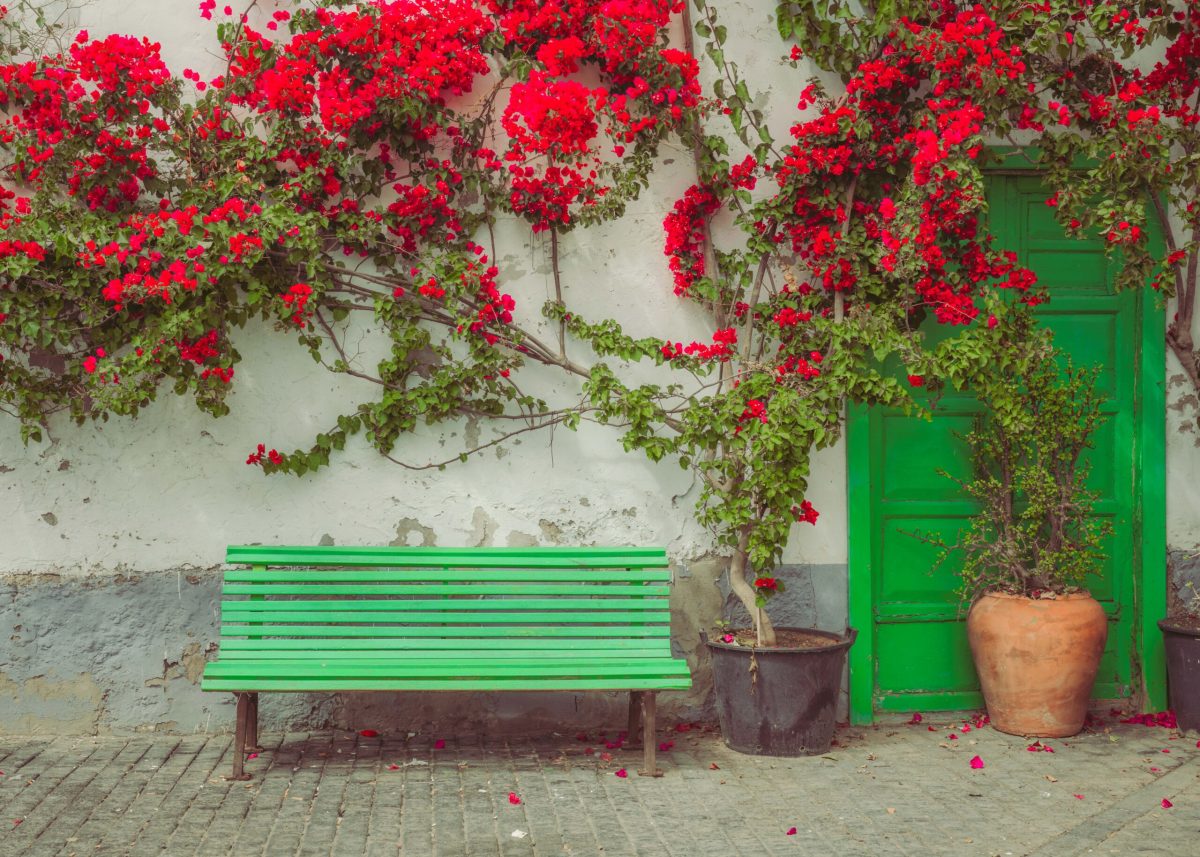
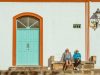
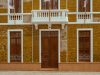
• Promoted whitewashed houses with green or blue details
• Blended architecture with nature, lava caves and cliffs
His influence turned Lanzarote into a harmonious fusion of art and volcanic design.
Fun fact
Lanzarote is home to one of the world’s longest volcanic tunnels — the Cueva de los Verdes lava tube, stretching over 7.6 km beneath the island.