













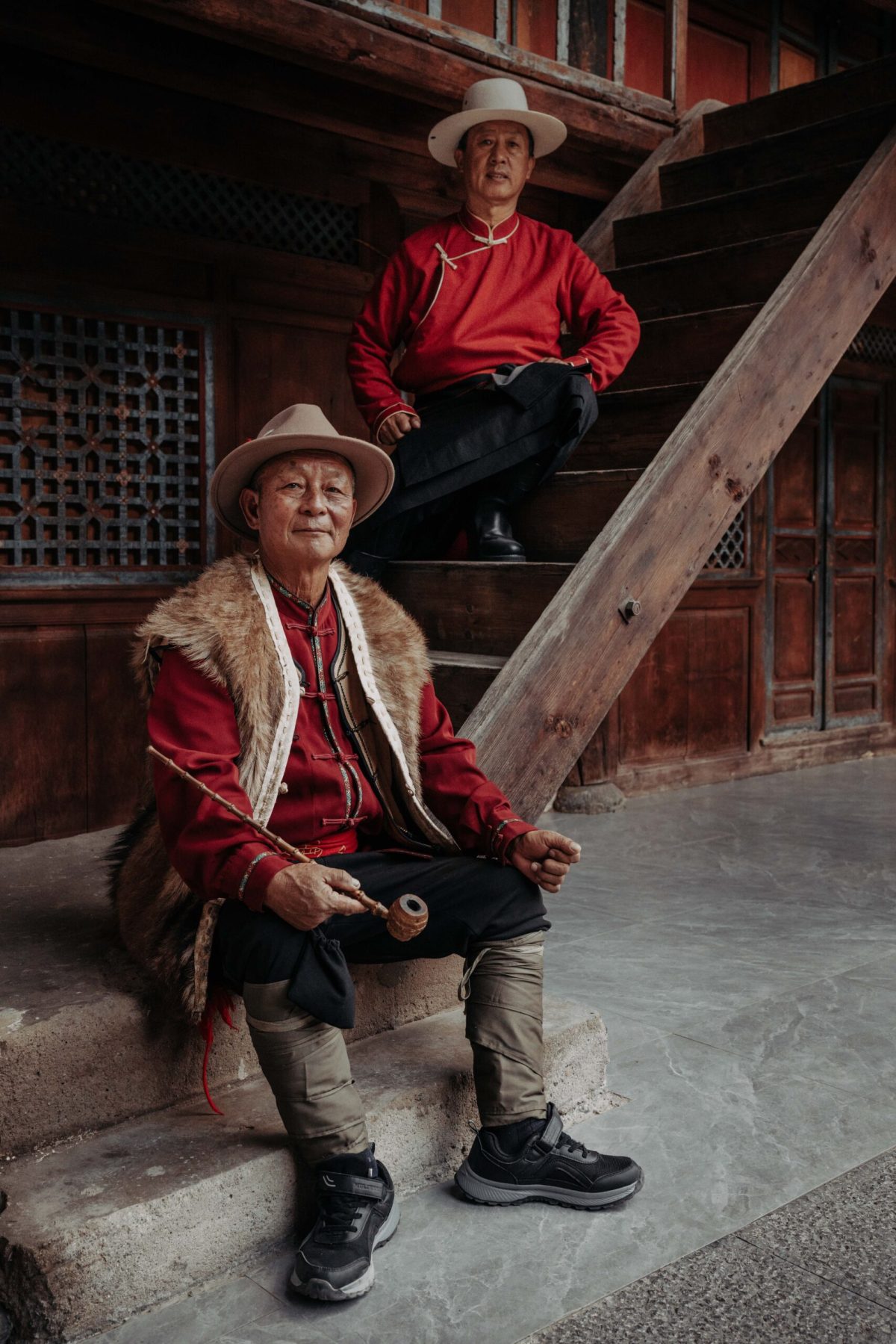












































Mastering the Art of Portrait Photography: Tips, Techniques, and Creative Inspiration
Portrait photography is much more than capturing a person’s face — it’s about telling a story through light, expression, and emotion. Whether you’re photographing a professional model or a stranger in the street, the goal remains the same: reveal something real.
In this guide, you’ll find essential portrait photography tips to improve your craft, connect with your subjects, and create unforgettable images.
1. Understand the Power of Connection
Great portraits start long before you press the shutter. Building trust is the foundation of portrait photography techniques.
Talk to your subject, learn about their story, and make them feel comfortable. A relaxed subject will give you authentic expressions and natural body language — the key to powerful portraits.
💡 Pro tip: Maintain eye contact, smile, and keep conversation flowing during the shoot. Your energy sets the tone.
2. Master Your Lighting
Lighting is the soul of portrait photography. Even a simple scene can become extraordinary with the right light.
-
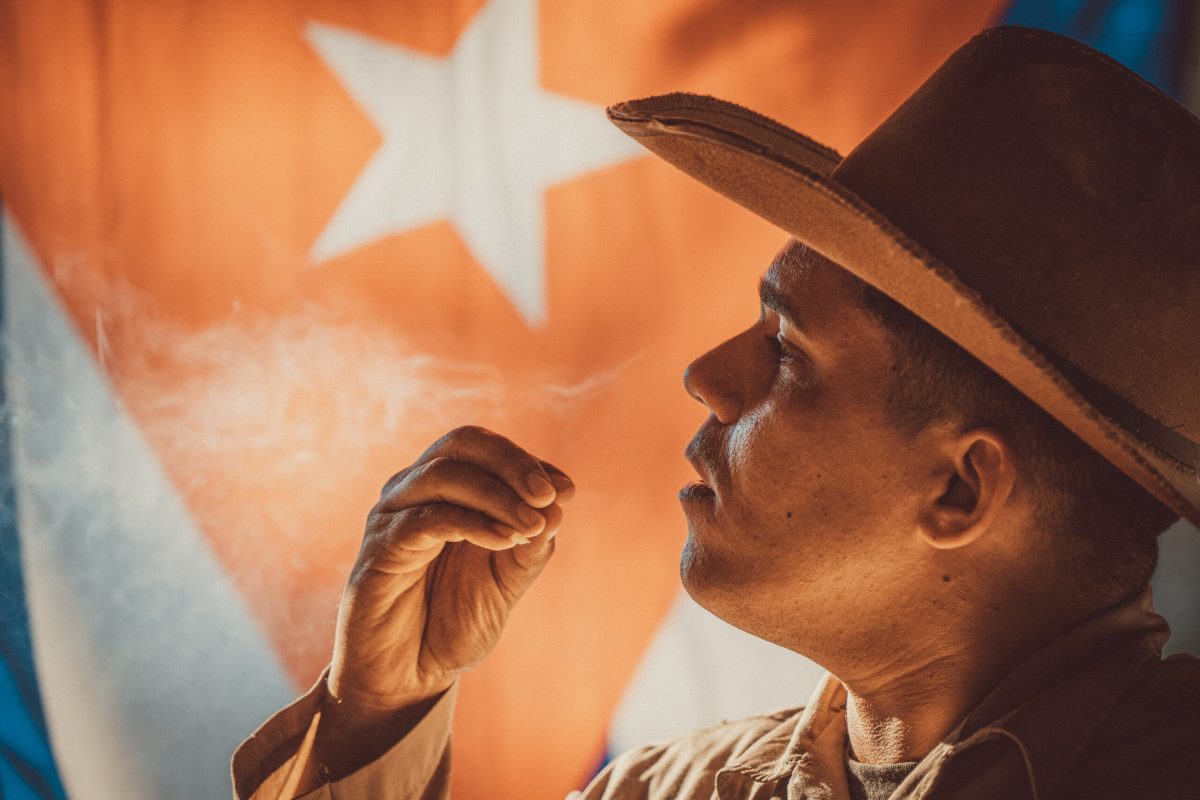
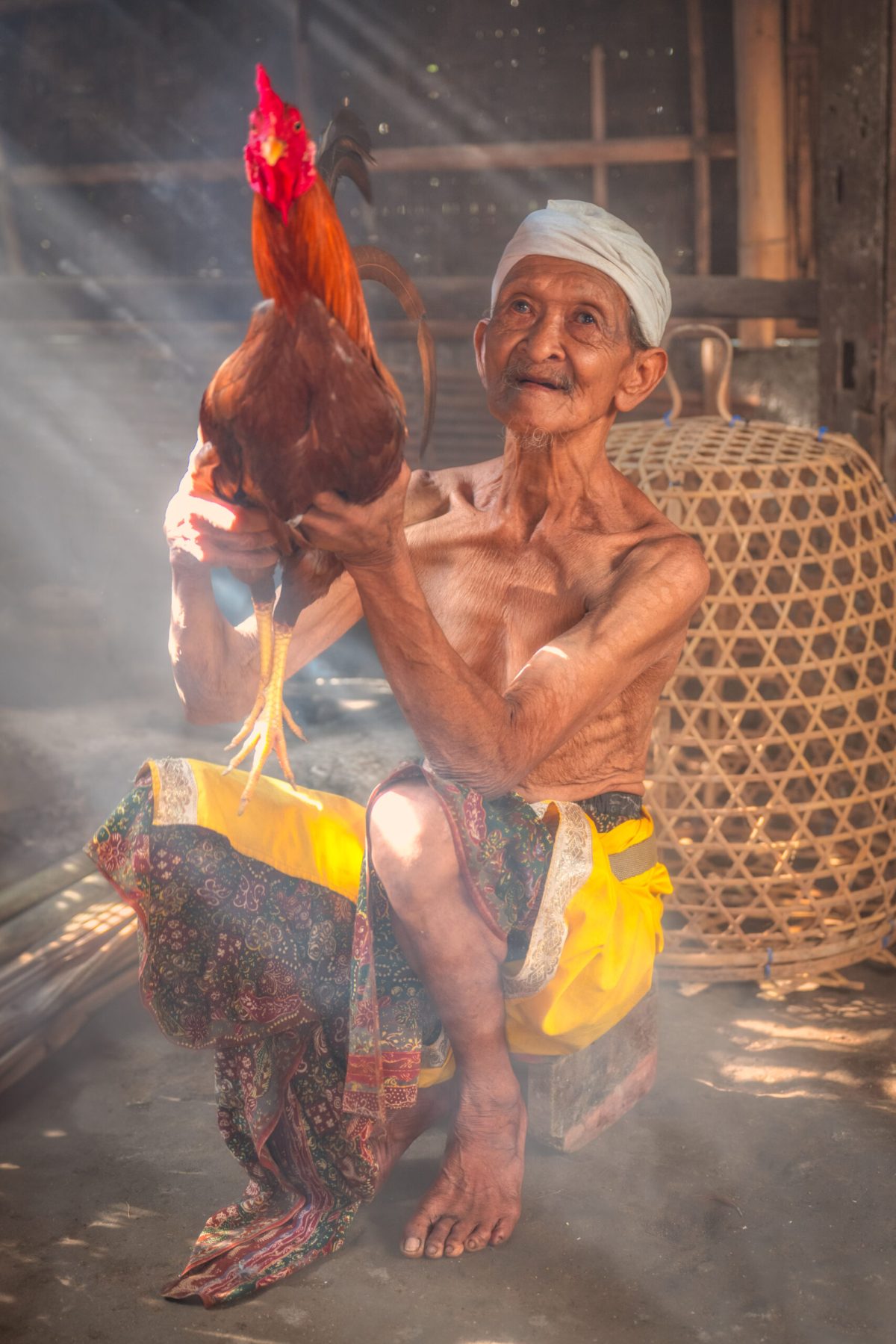
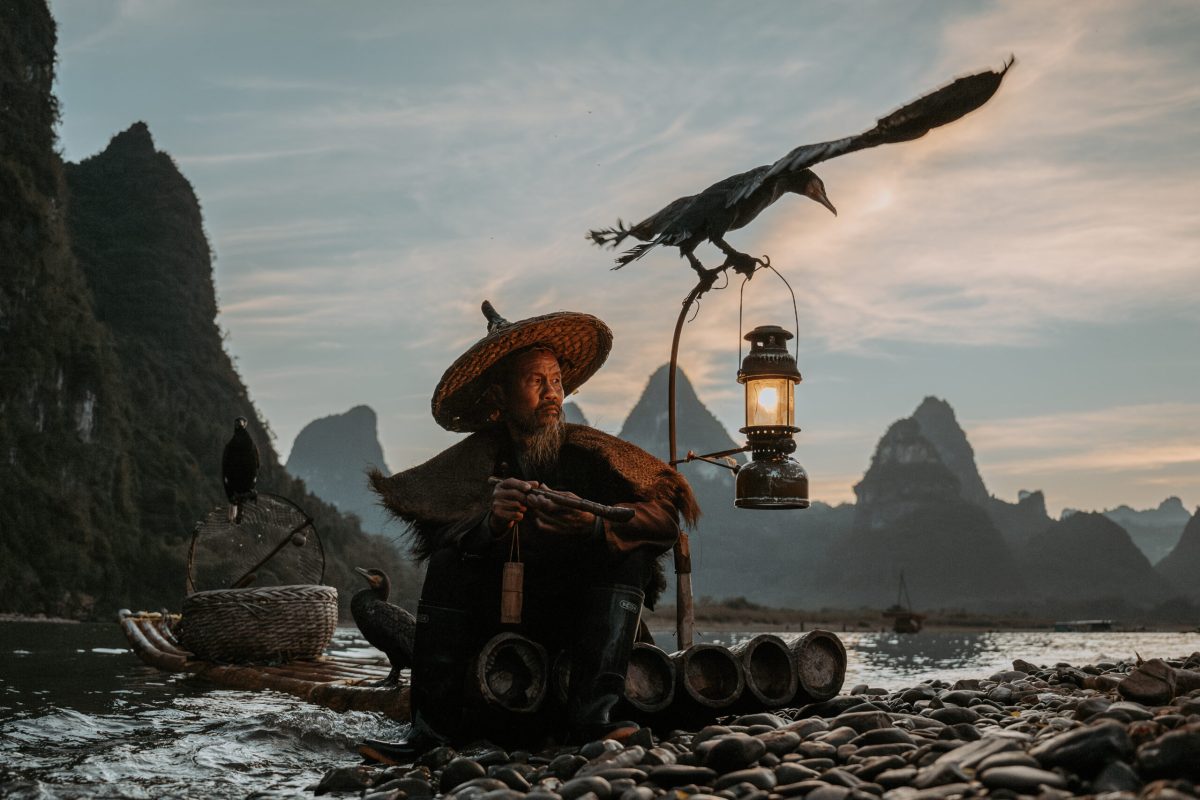
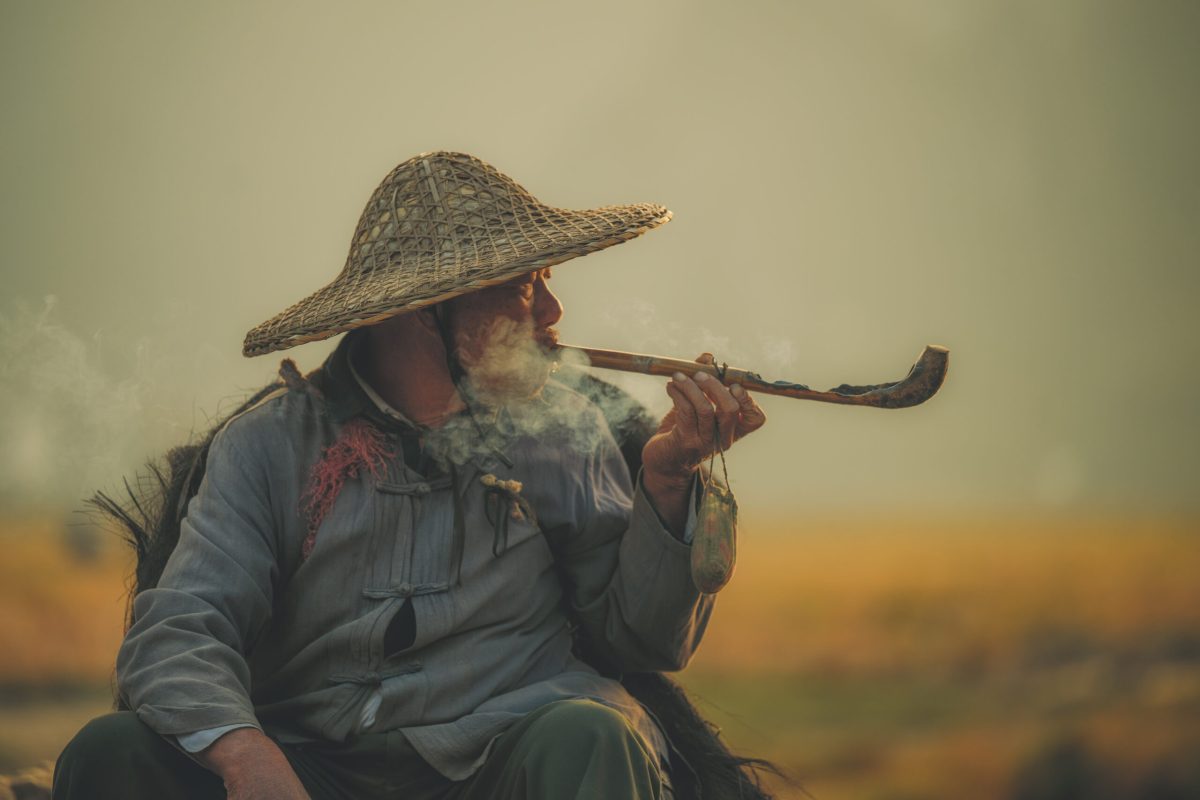
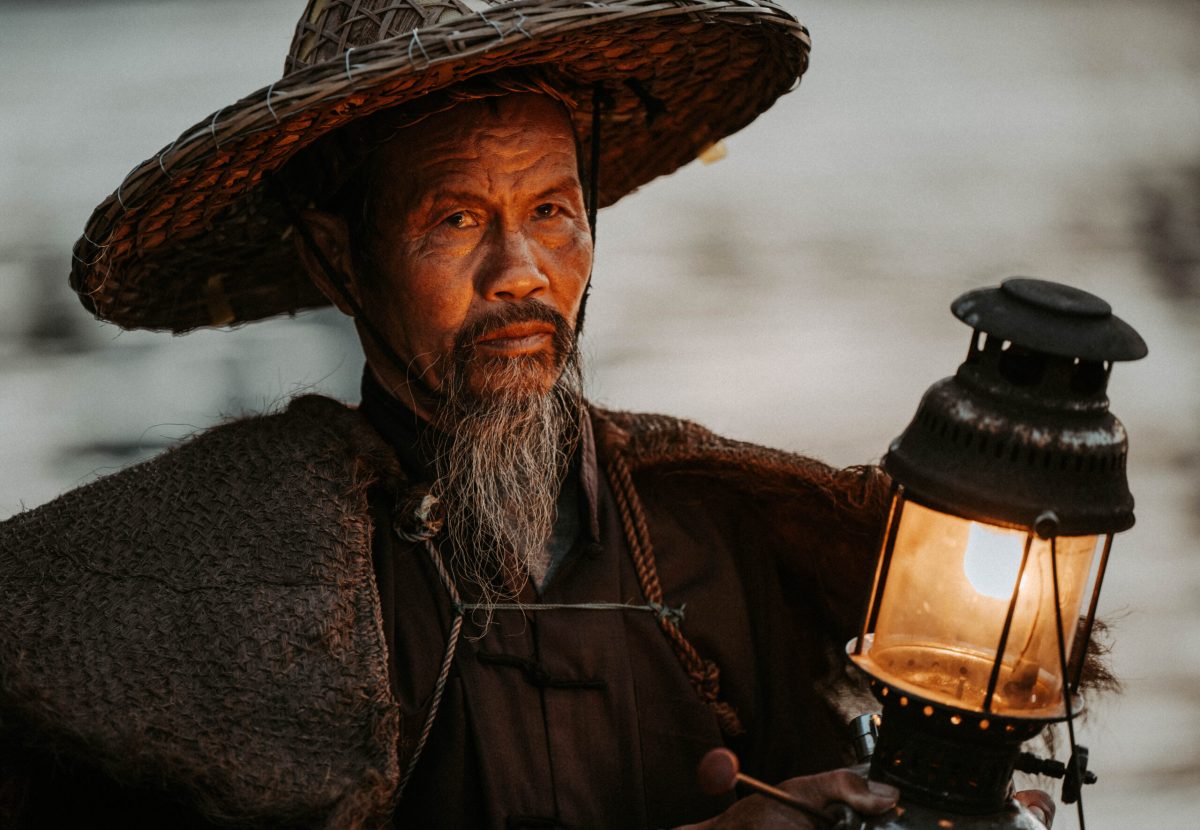
Natural light: Early morning and late afternoon (golden hour) provide soft, flattering light. Try positioning your subject so the light brushes their face from the side — this adds depth and emotion.
-
Artificial light: Learn to use one-light setups, diffusers, and reflectors.
-
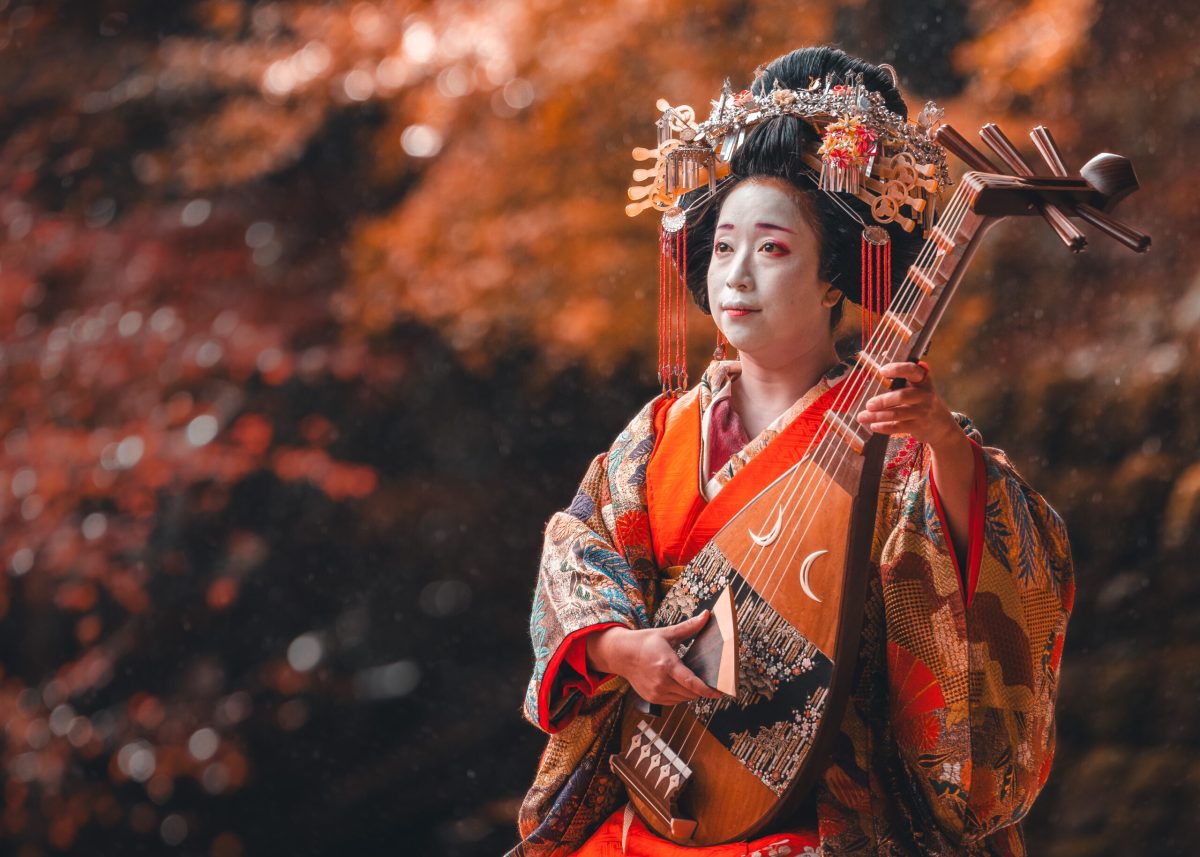
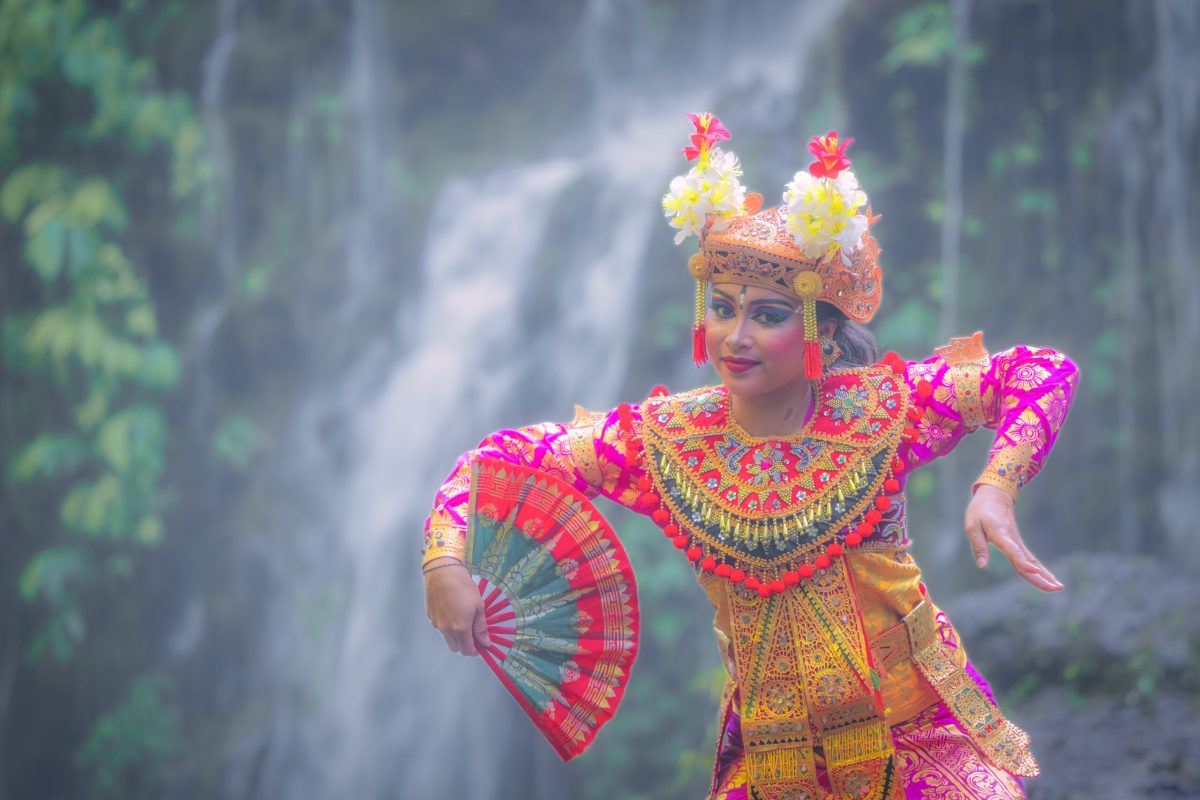
Backlighting: Perfect for dreamy silhouettes and artistic mood shots.
Experiment with lighting for portrait photography until you can predict how every direction and intensity will shape the mood of your photo.
3. Choose the Right Camera Settings for Portraits
Good technical control supports your creativity. For most portraits:
-
Aperture: f/1.8–f/2.8 for blurred backgrounds.
-
Shutter speed: 1/125 or faster to freeze motion.
-
ISO: Keep it low (100–400) for clean tones.
If you shoot outdoors, use aperture priority mode for consistent exposure.
Understanding camera settings for portraits lets you focus on storytelling instead of constantly adjusting the dials.
4. Find the Right Background
A background can either elevate your portrait or distract from it.
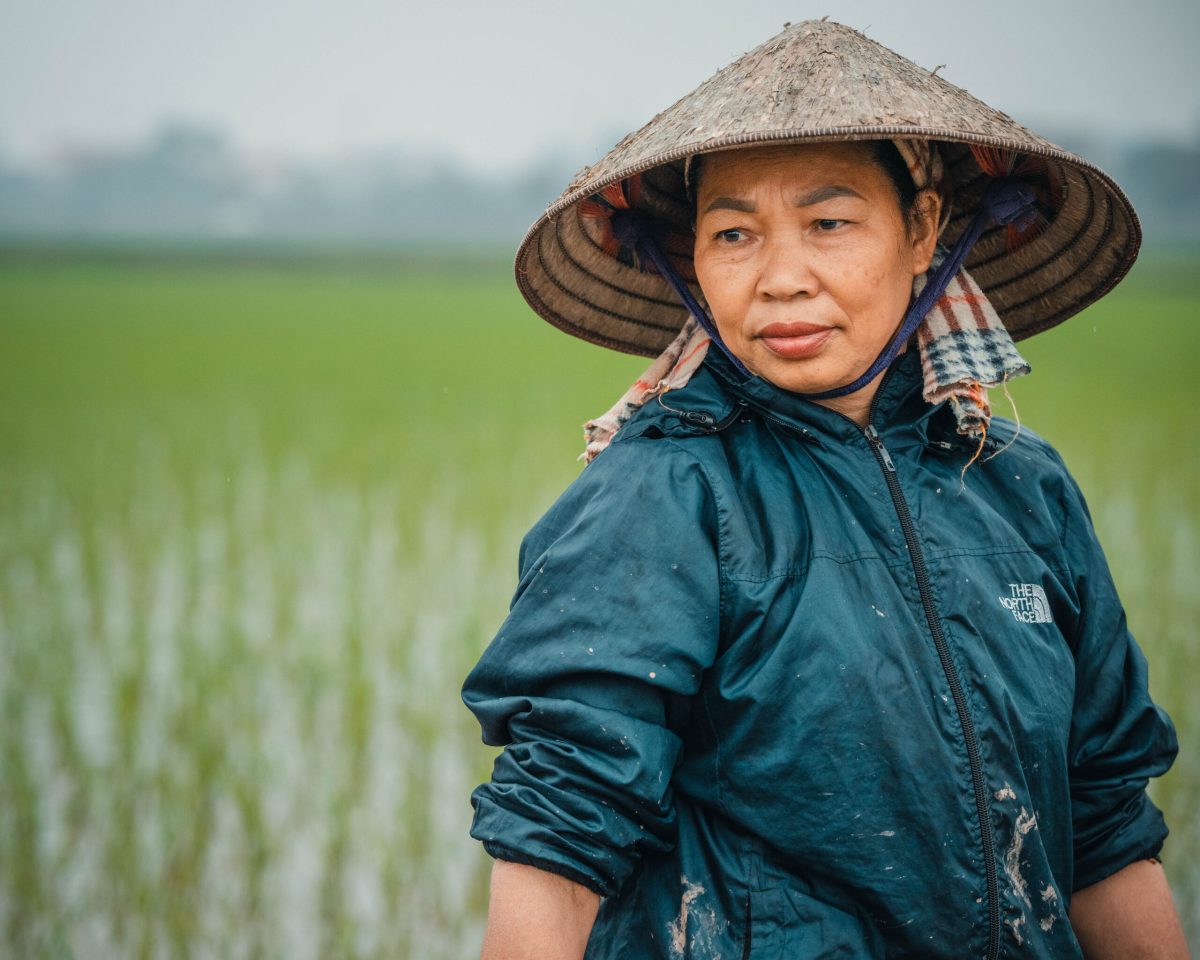
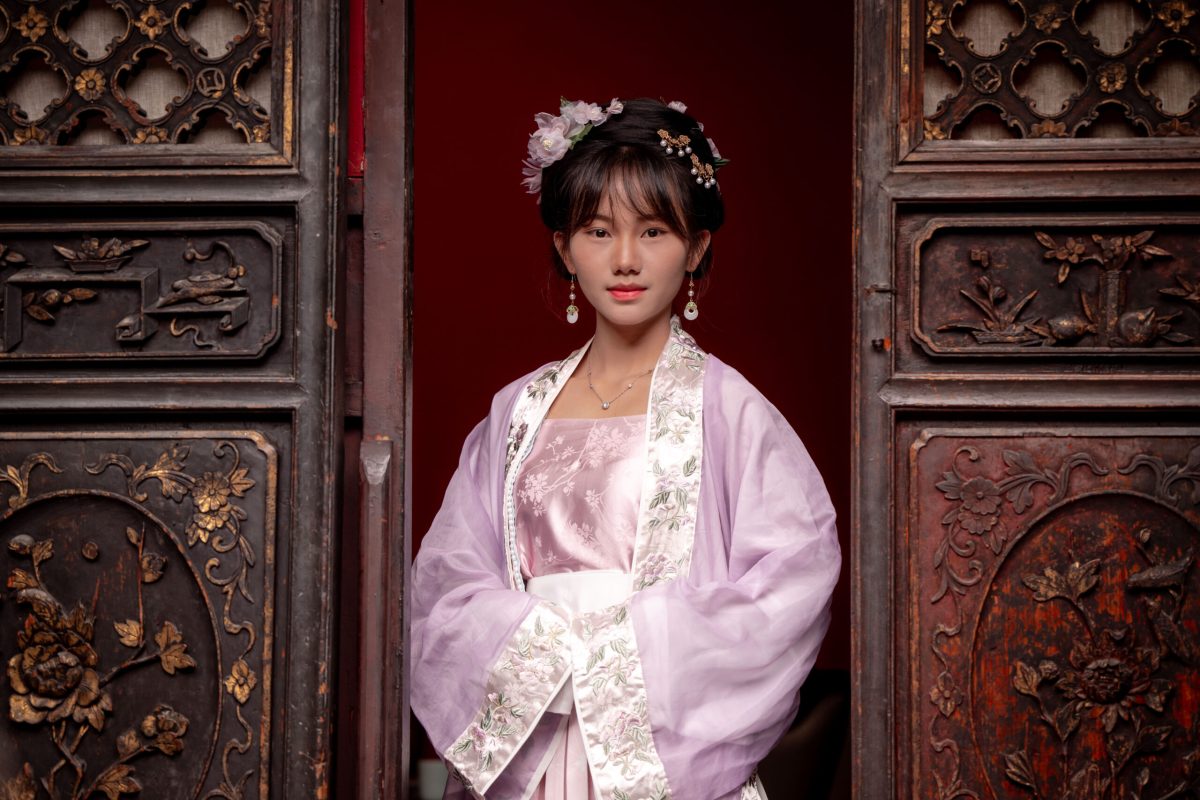
Look for simple textures, natural tones, or leading lines that guide the viewer’s eye toward the subject.
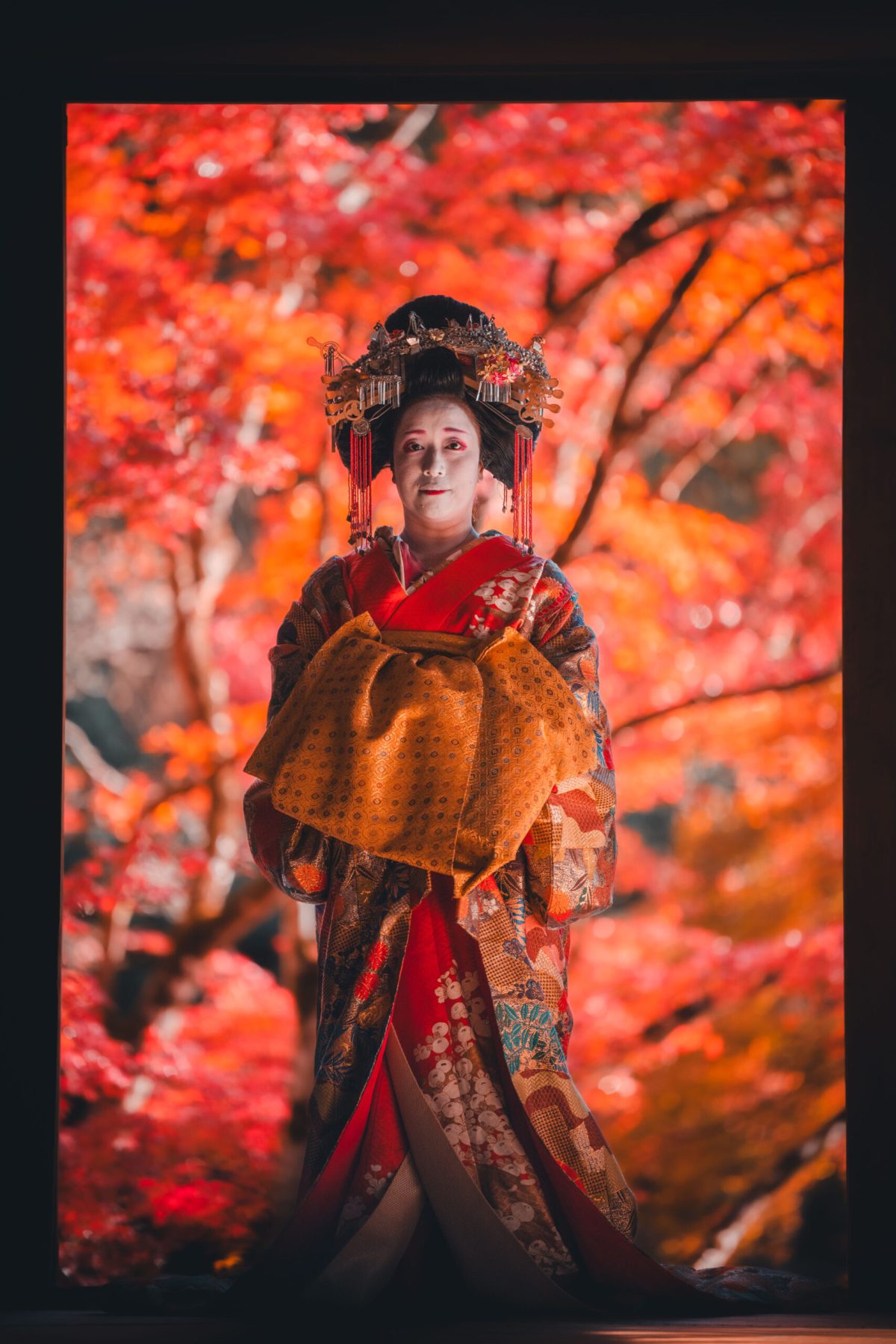
Urban environments, old walls, and natural landscapes all work beautifully in photography in natural light.
If the background is too busy, reduce depth of field or reposition your subject slightly.
5. Posing Tips for Photographers
Many photographers struggle with directing people.
Good posing tips for photographers start with gentle guidance, not stiff instructions.
-
Ask your subject to shift weight to one leg.
-
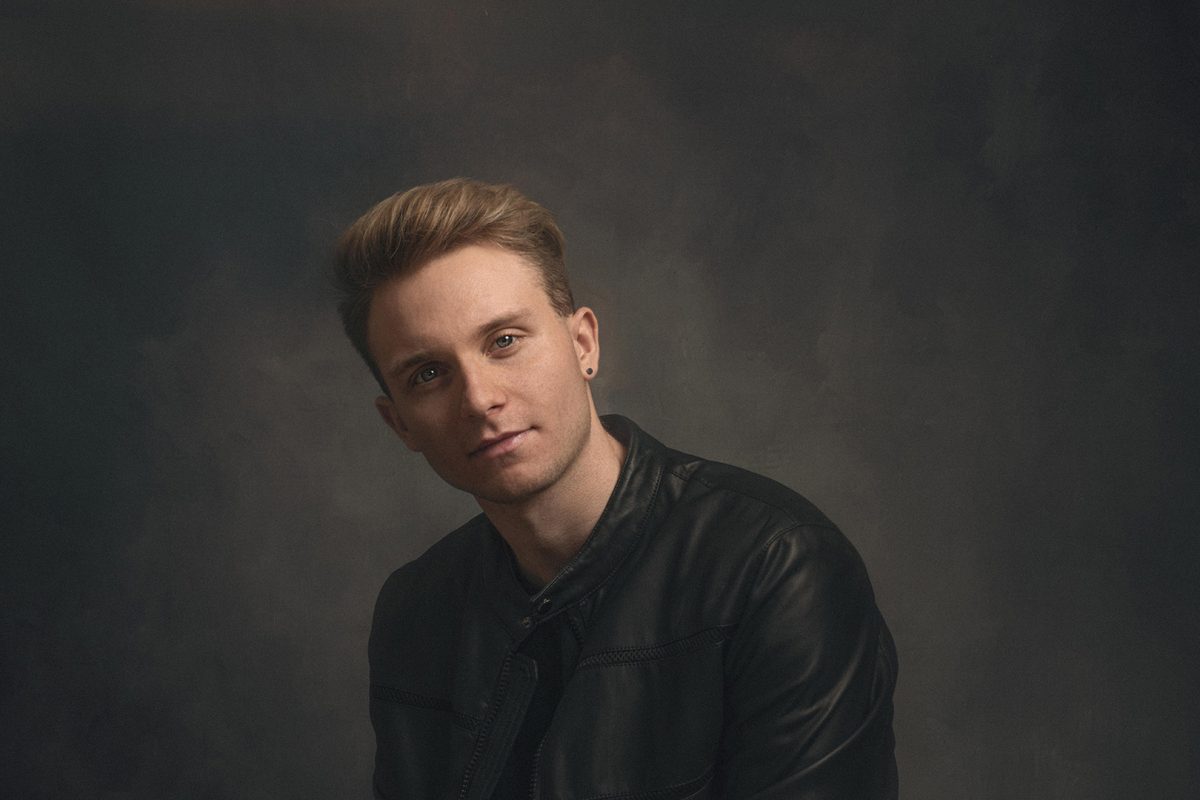
Tilt the chin slightly toward the light.
-
Keep shoulders relaxed.
-
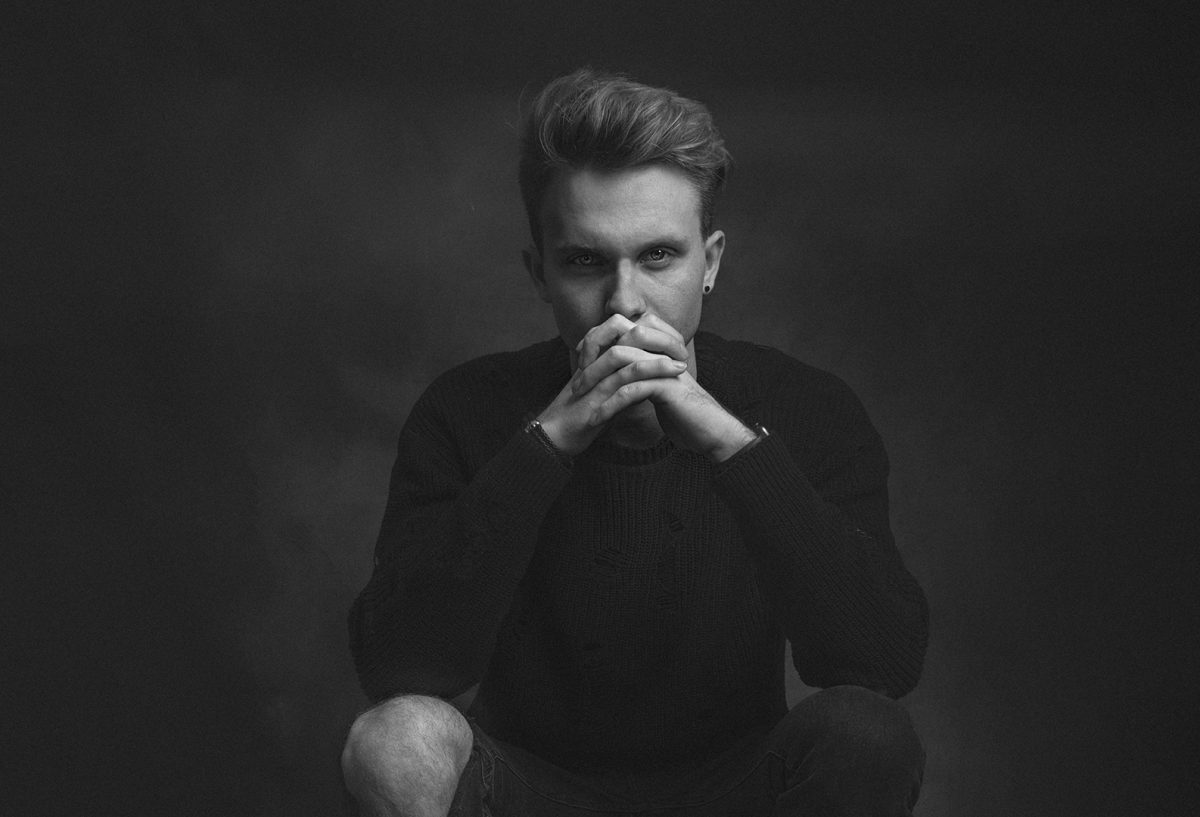
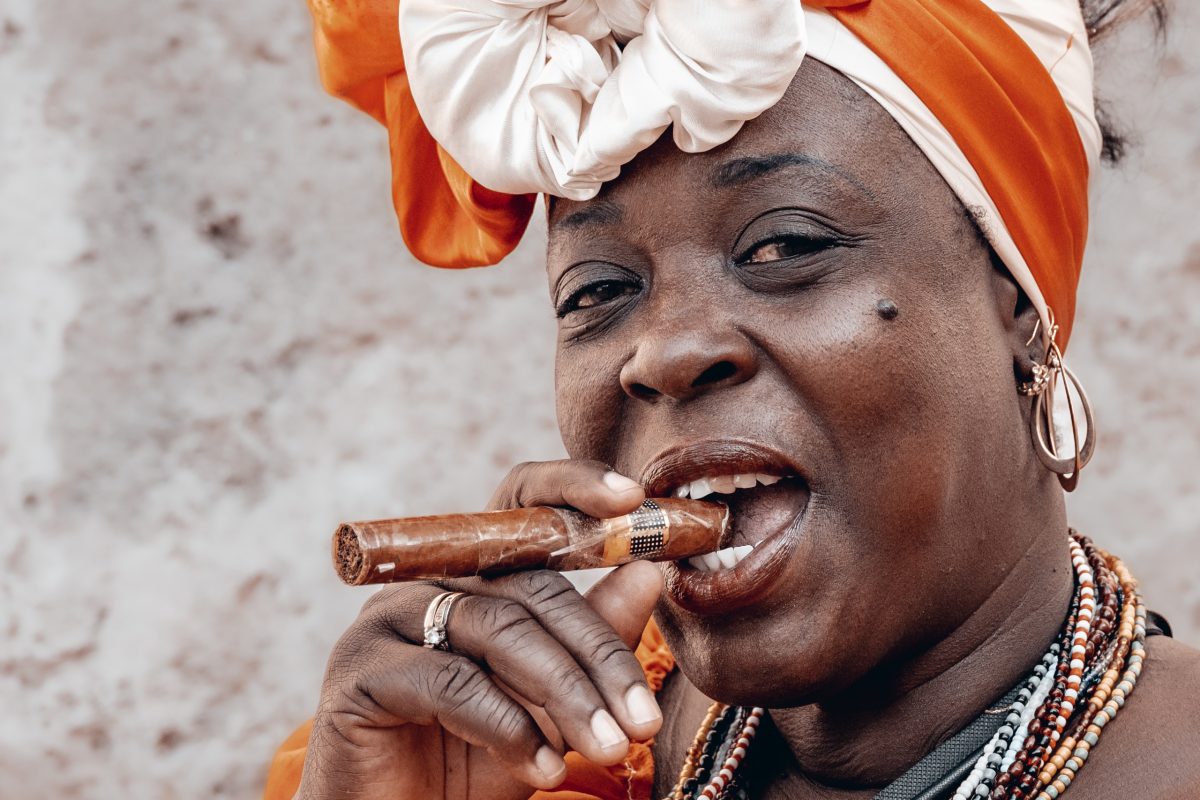
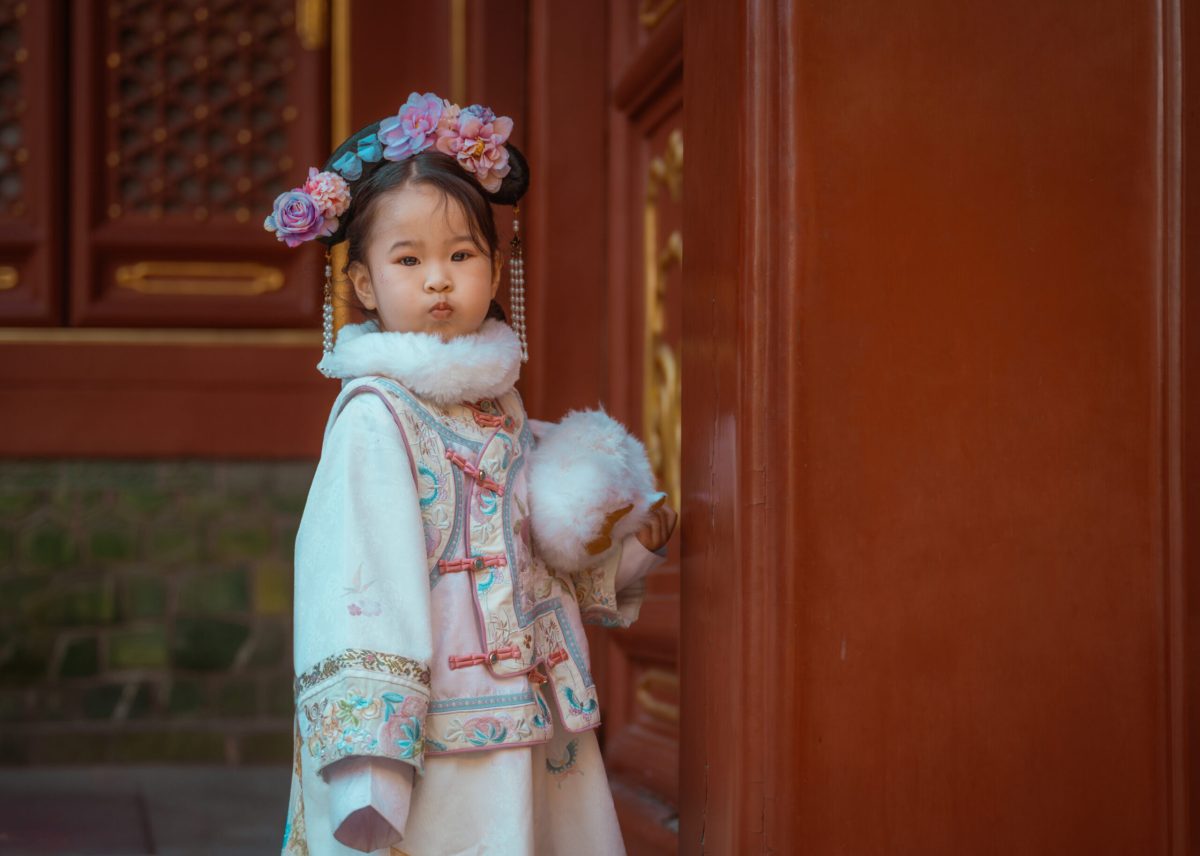
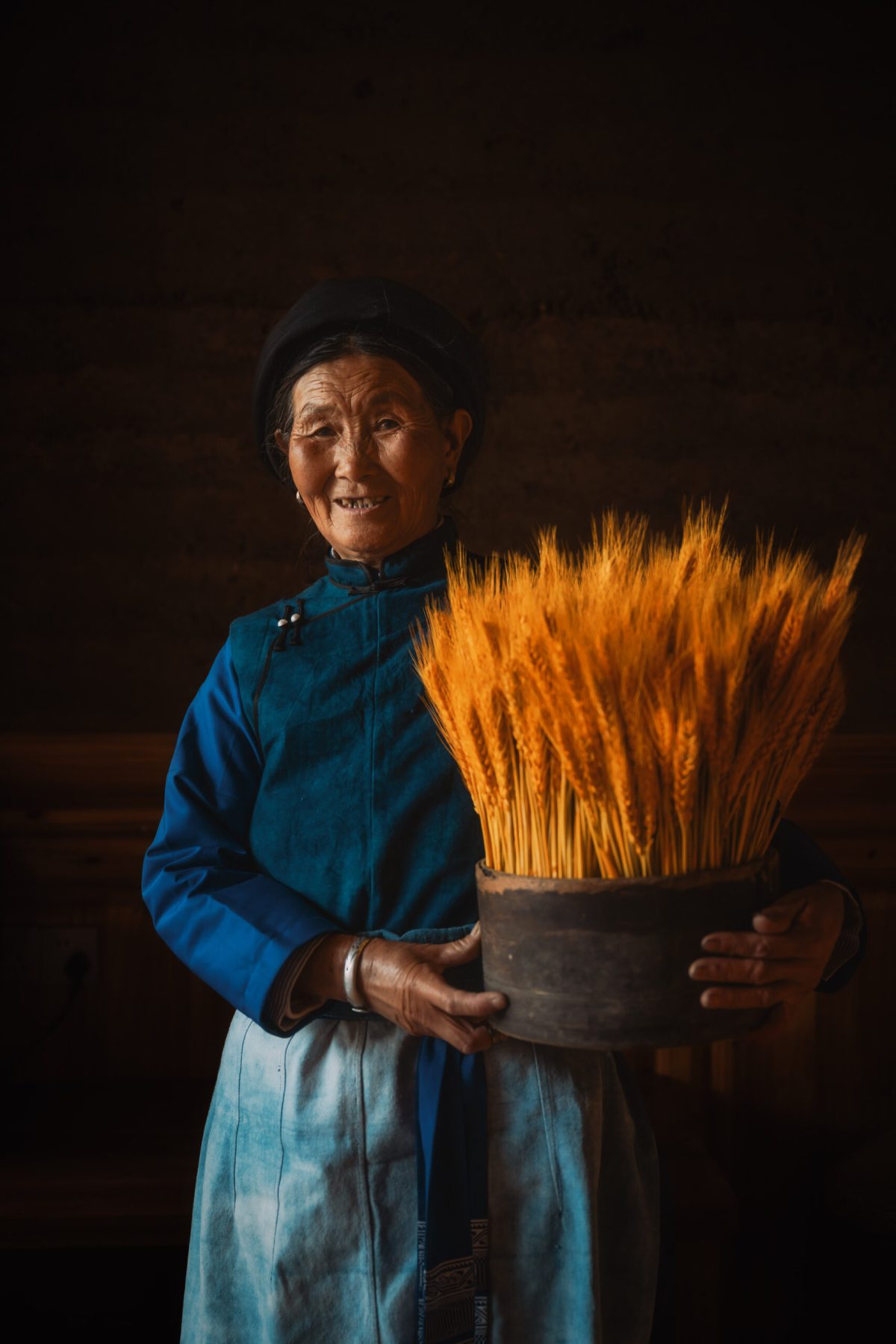
Use hands naturally — holding a prop or touching hair/clothing can make a pose feel more candid.
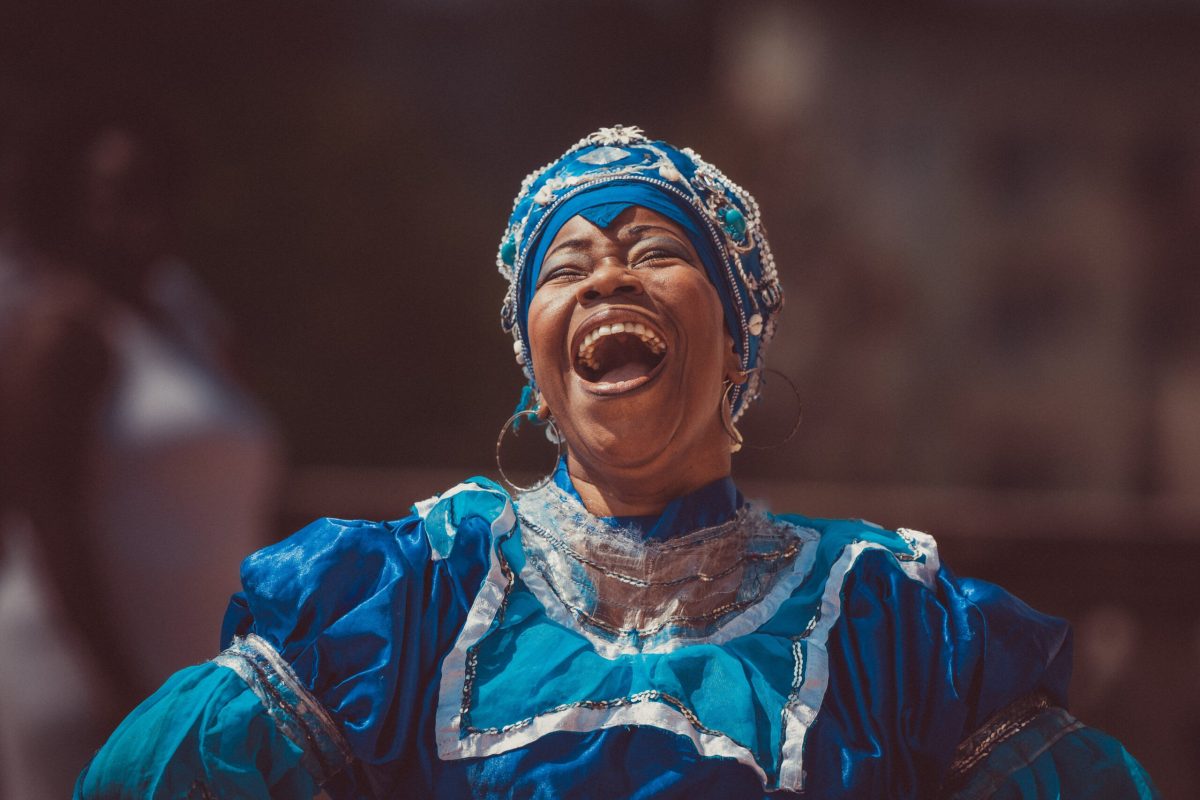
💡 Remember: Movement creates emotion. Encourage your subject to walk, turn, or laugh — spontaneity often leads to the best portraits.
6. Composition and Focus Techniques
Experiment with different framing styles:
-
Rule of thirds for balanced compositions.
-
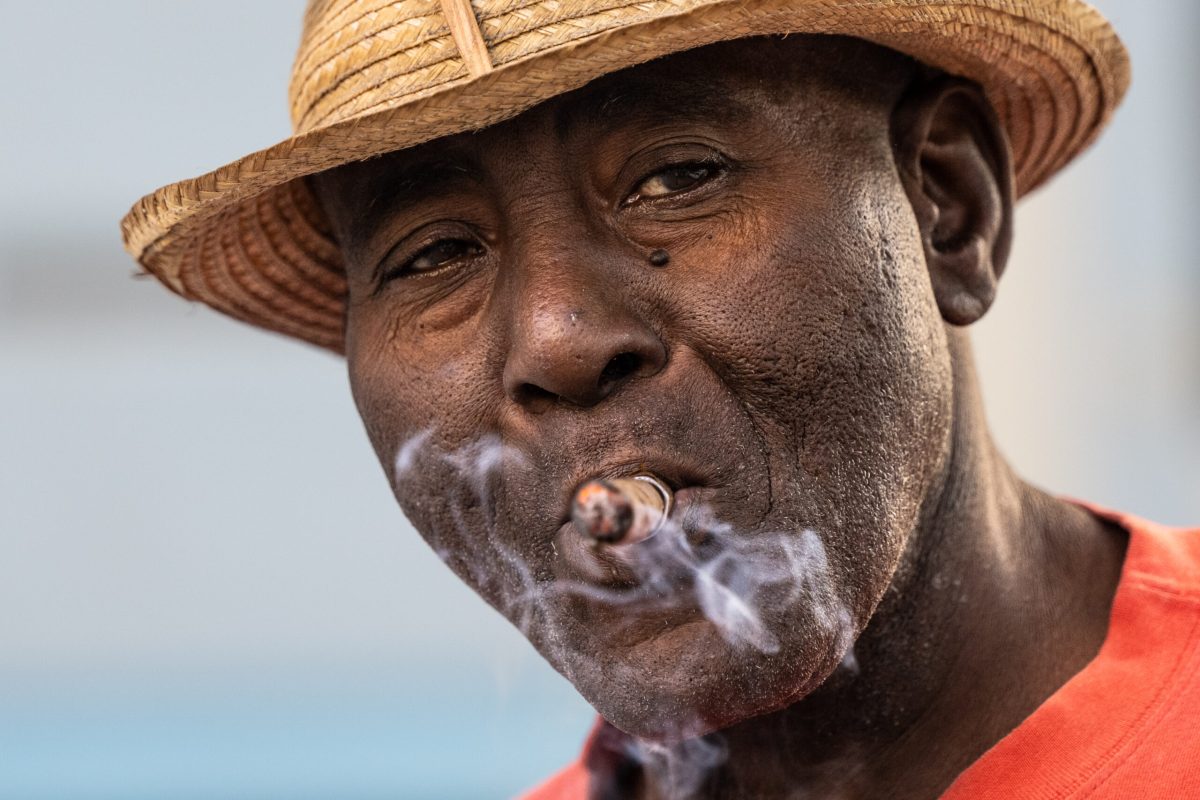
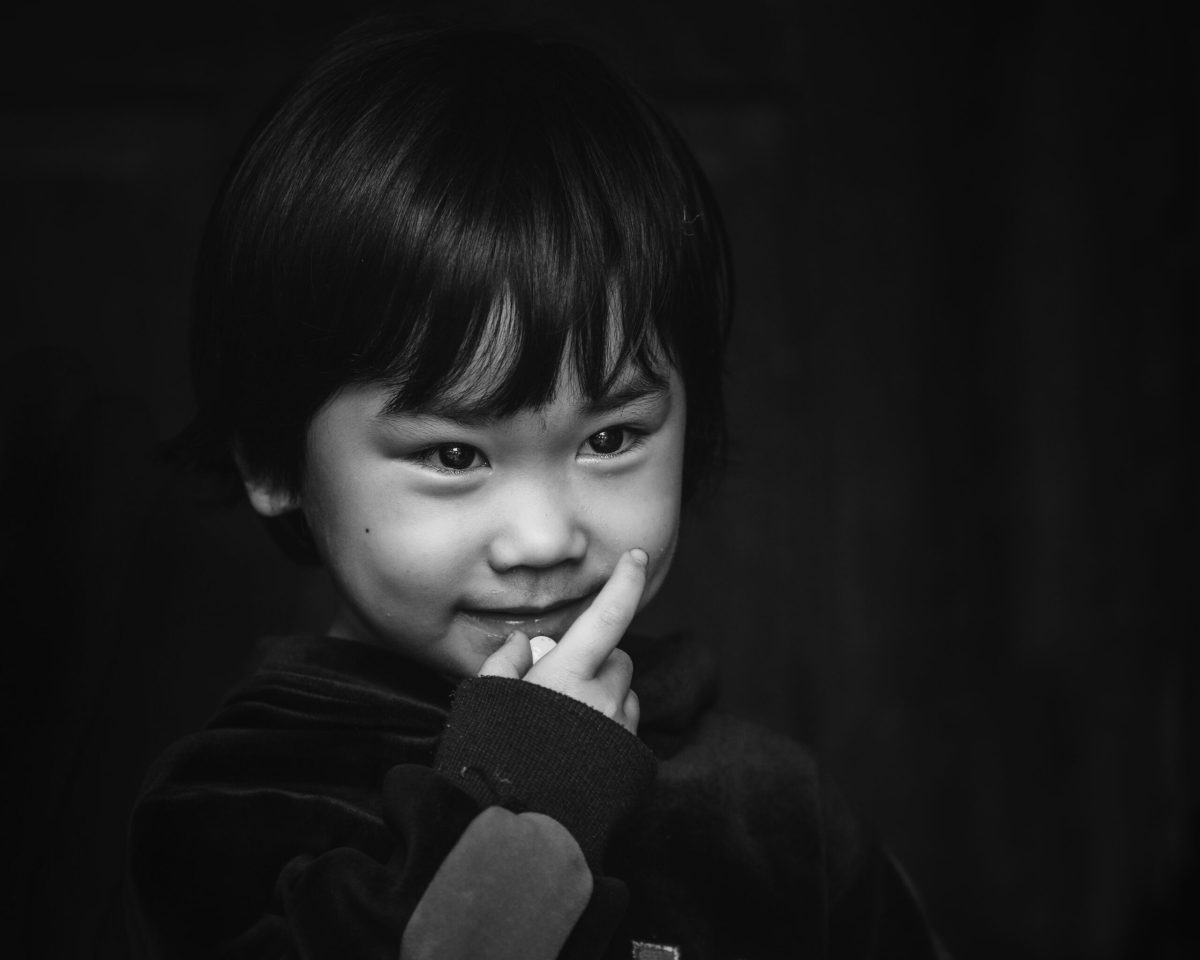
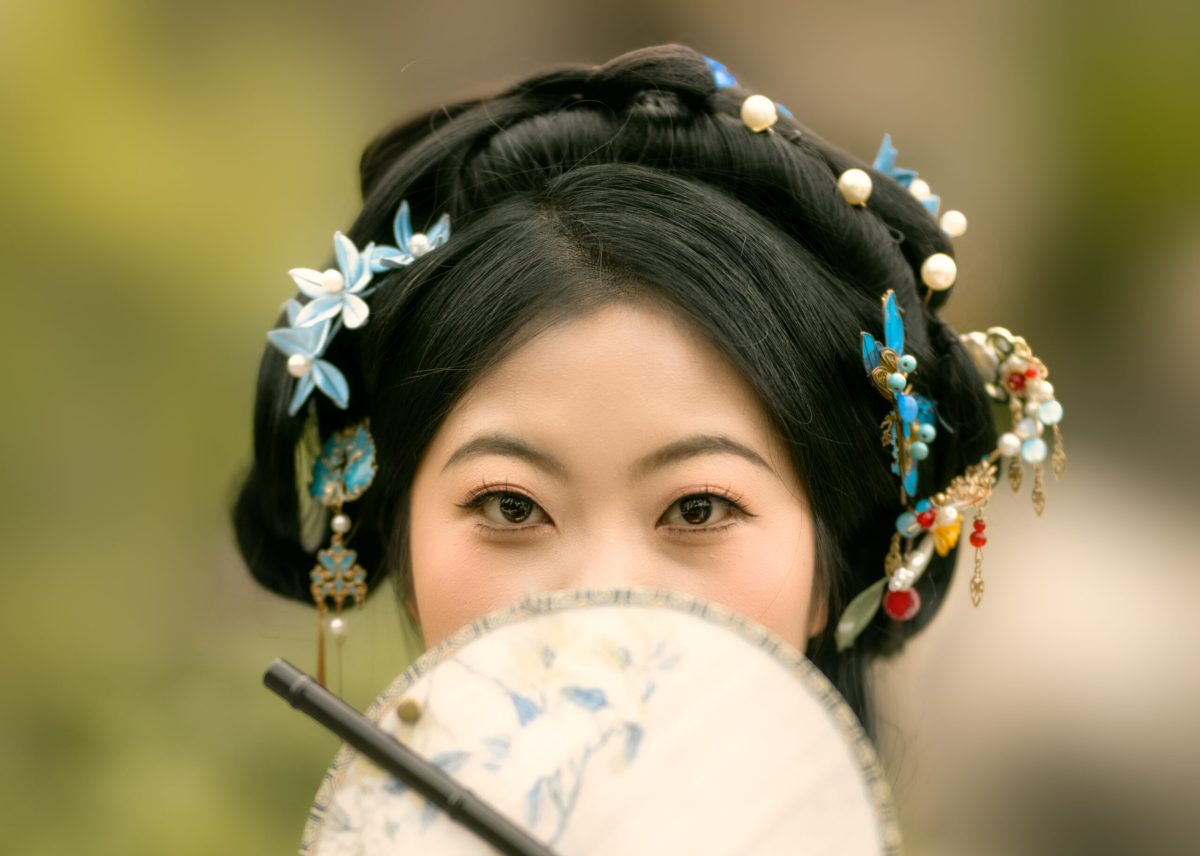
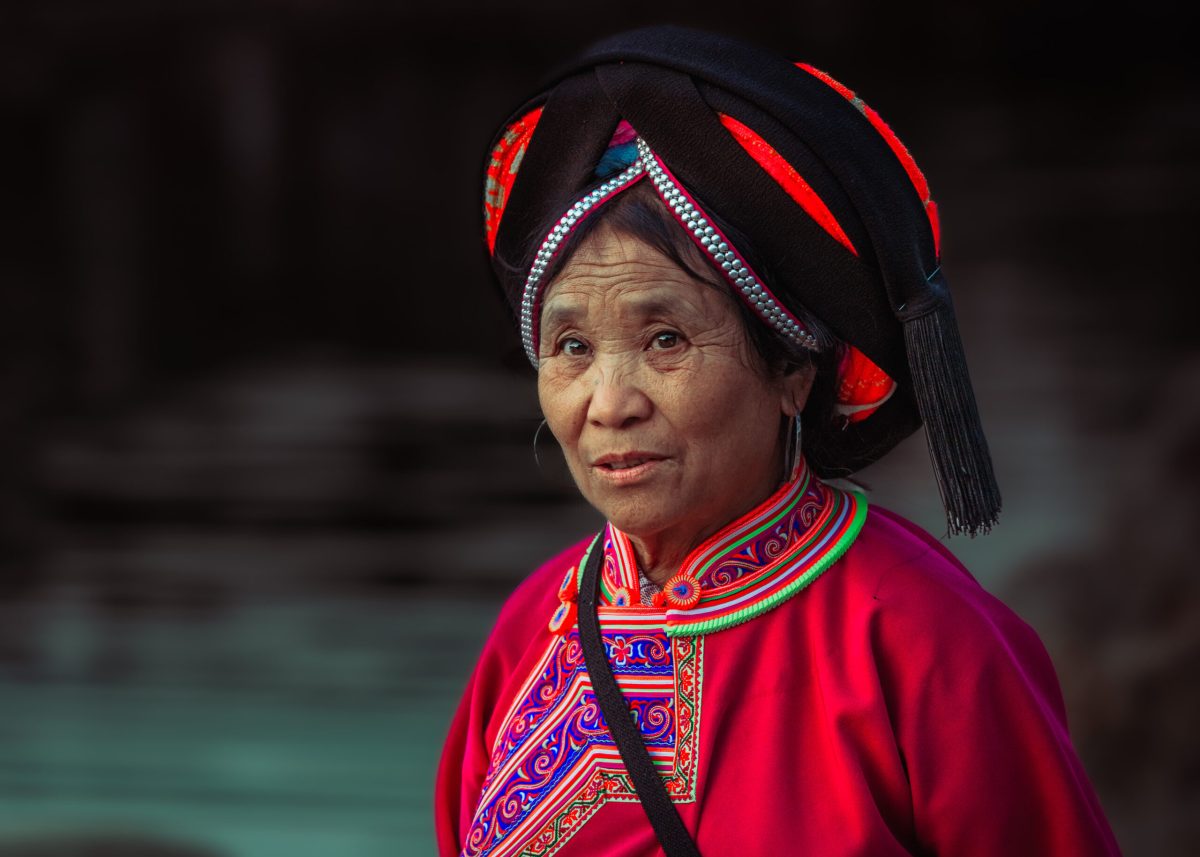
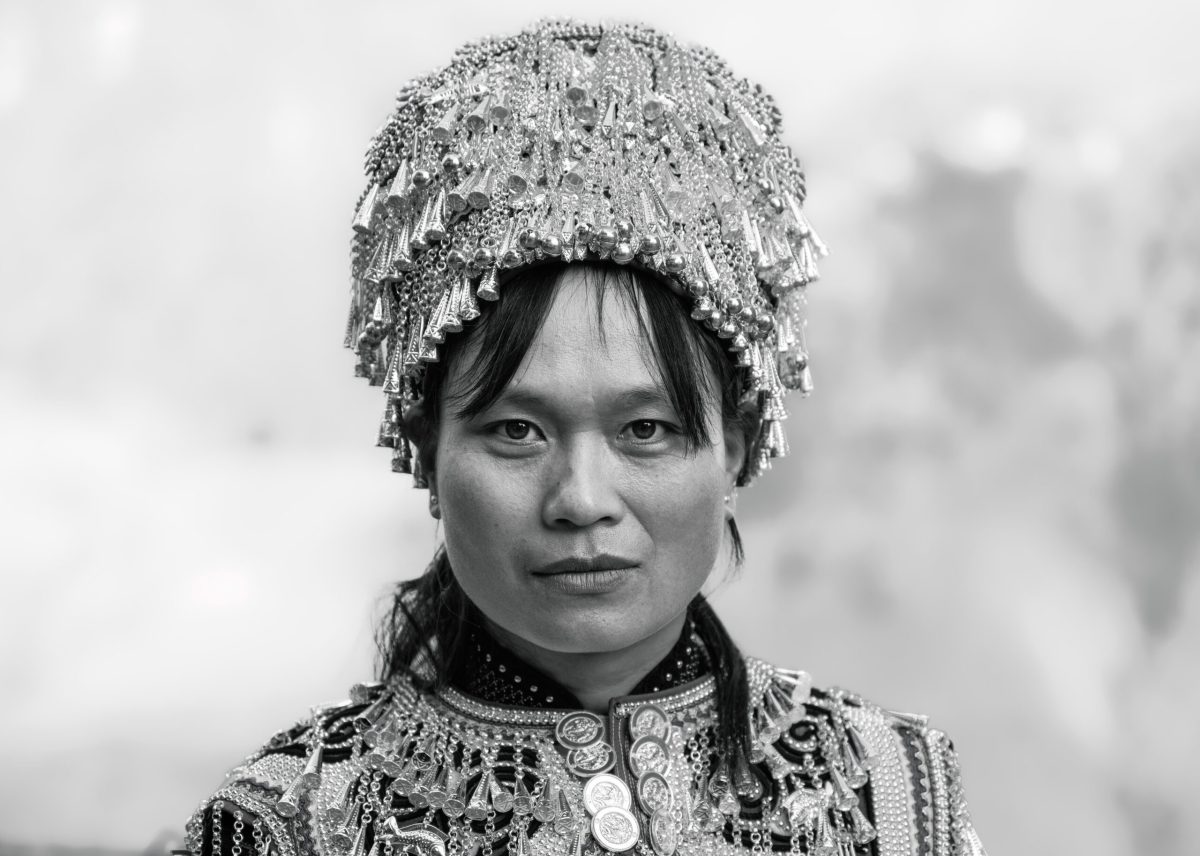
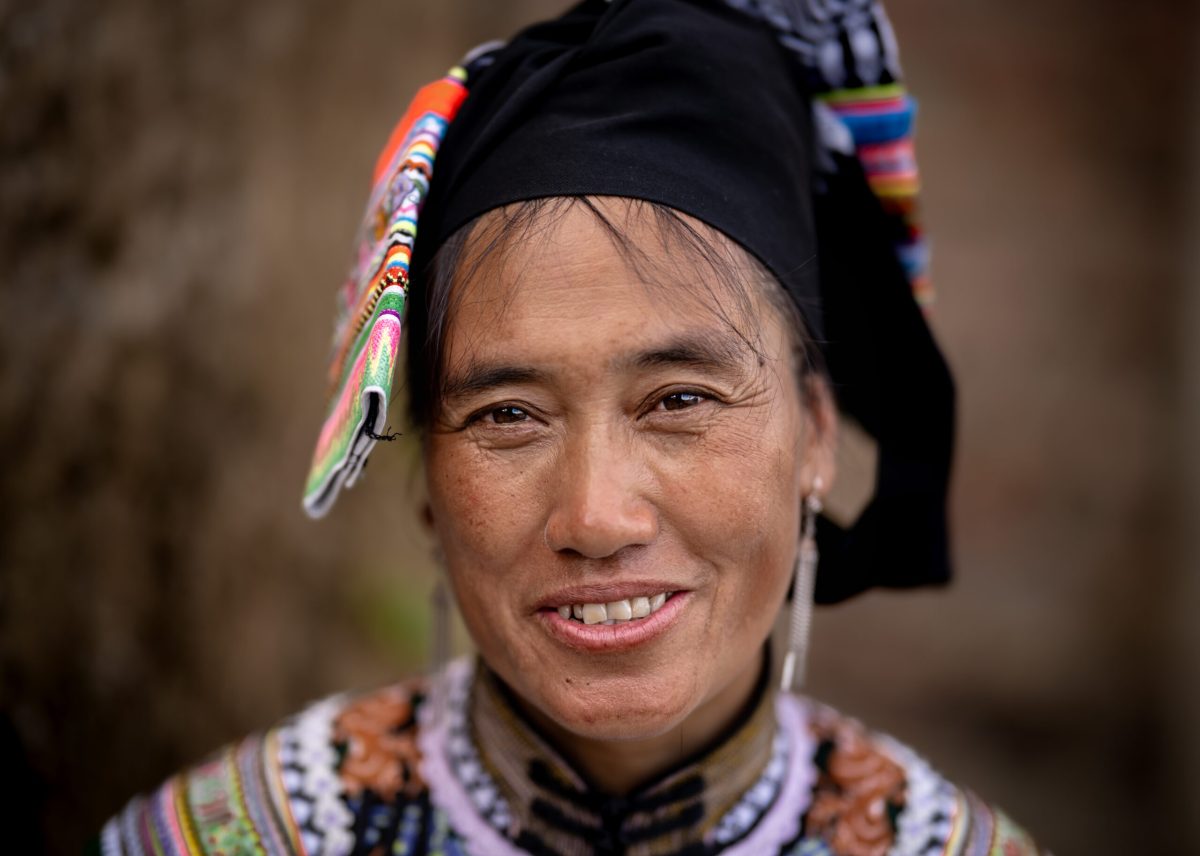
Close-ups to capture emotion.
-
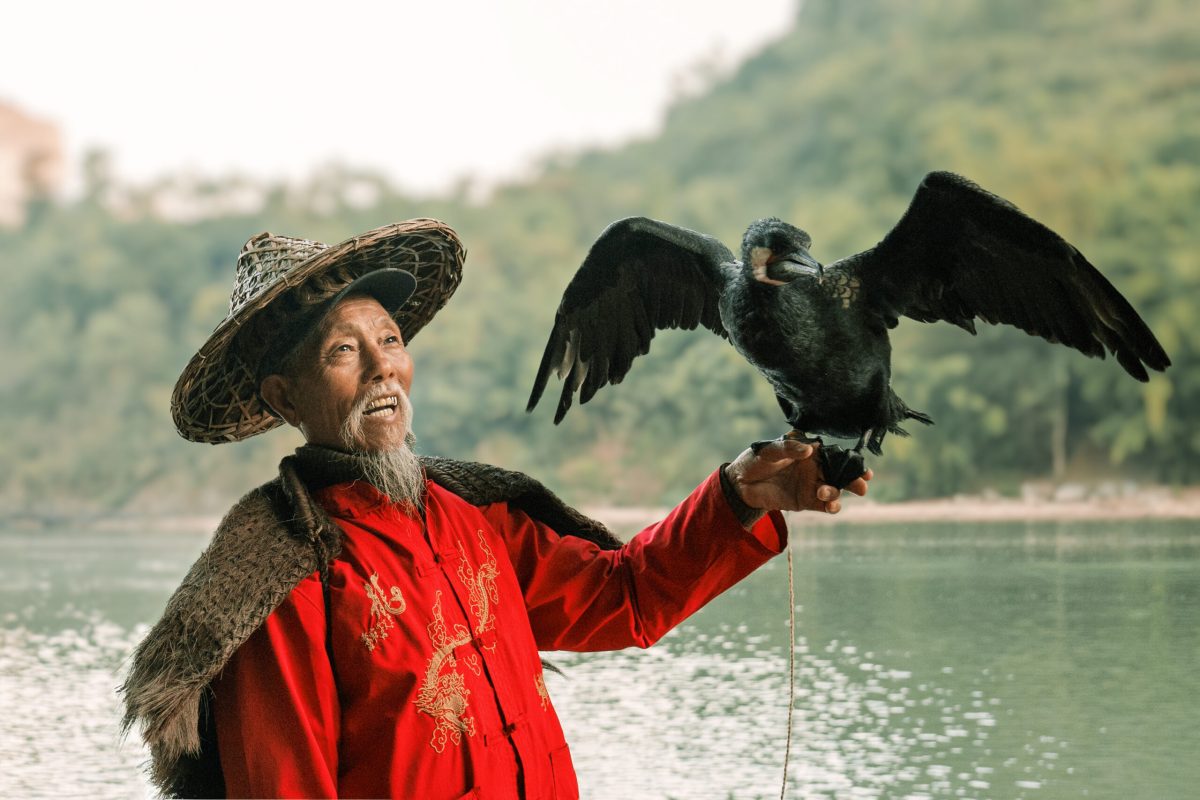
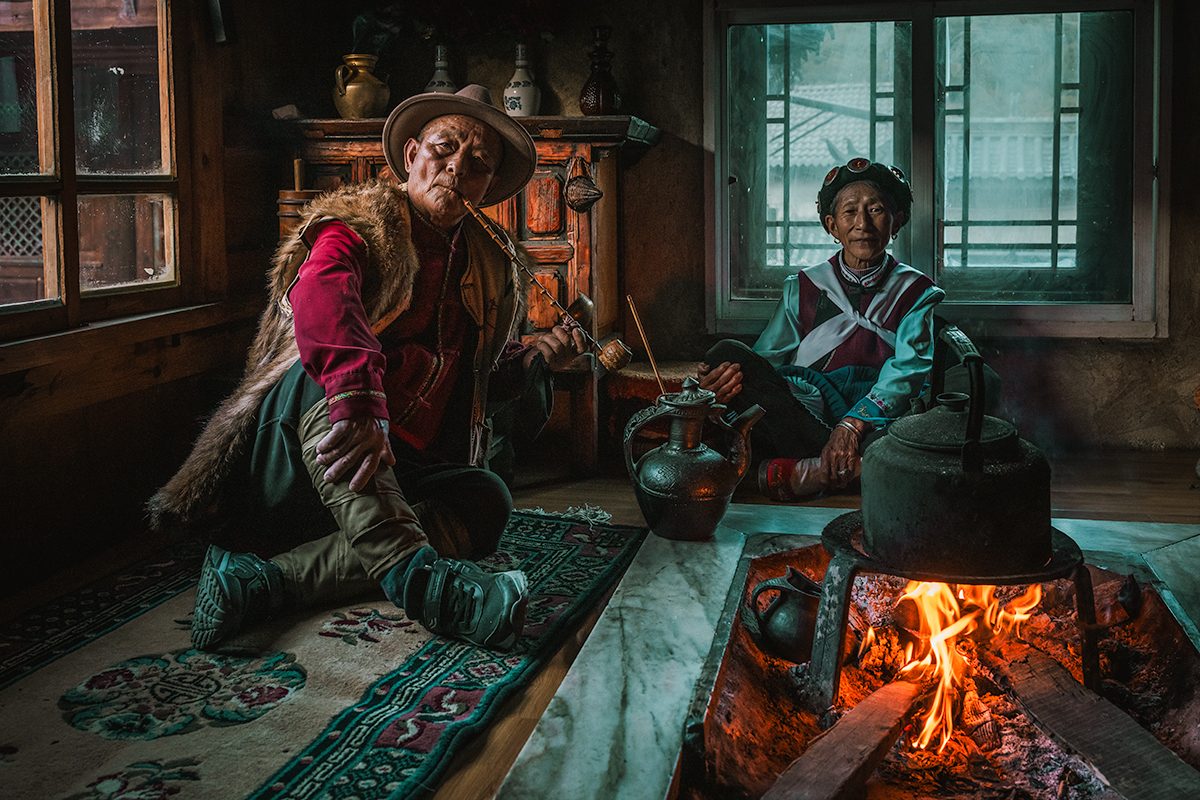
Wide portraits to tell a story about the person’s environment.
Use your focus point intentionally — usually on the eyes. That’s where the emotional connection happens.
7. Explore Creative Portrait Ideas
Once you master the basics, start breaking the rules.
Try reflections, shadows, colored gels, or shooting through glass or fabric.
Double exposures and motion blur can transform a simple shot into fine art.
Collect creative portrait ideas from cinema, paintings, and everyday light moments — anything that sparks emotion.
8. Learn from the Masters
Study the work of photographers you admire — not to copy, but to understand their choices.
How do they use color? Composition? Timing?
Analyzing their style helps you develop your own voice in portrait photography inspiration.
9. Post-Processing with Intention
Editing should enhance emotion, not hide mistakes.
Use color grading to match the story — warm tones for intimacy, cooler hues for mystery.
Maintain natural skin tones and avoid over-retouching.
A great portrait still feels alive, not plastic.
10. Tell Stories That Matter
The most memorable portraits are not about perfection — they’re about people.
Look for honesty in your subjects.
A wrinkle, a glance, a silent moment can say more than words.
That’s the essence of how to take better portraits — not by chasing perfection, but by capturing truth.
Final Thoughts
Portrait photography is an endless journey of learning — about light, about people, and about yourself.
Whether you shoot with natural light or studio setups, the goal is to create images that move others and stand the test of time.
So grab your camera, find a face that tells a story, and start experimenting. Every frame you take brings you closer to mastering the art of portrait photography.