


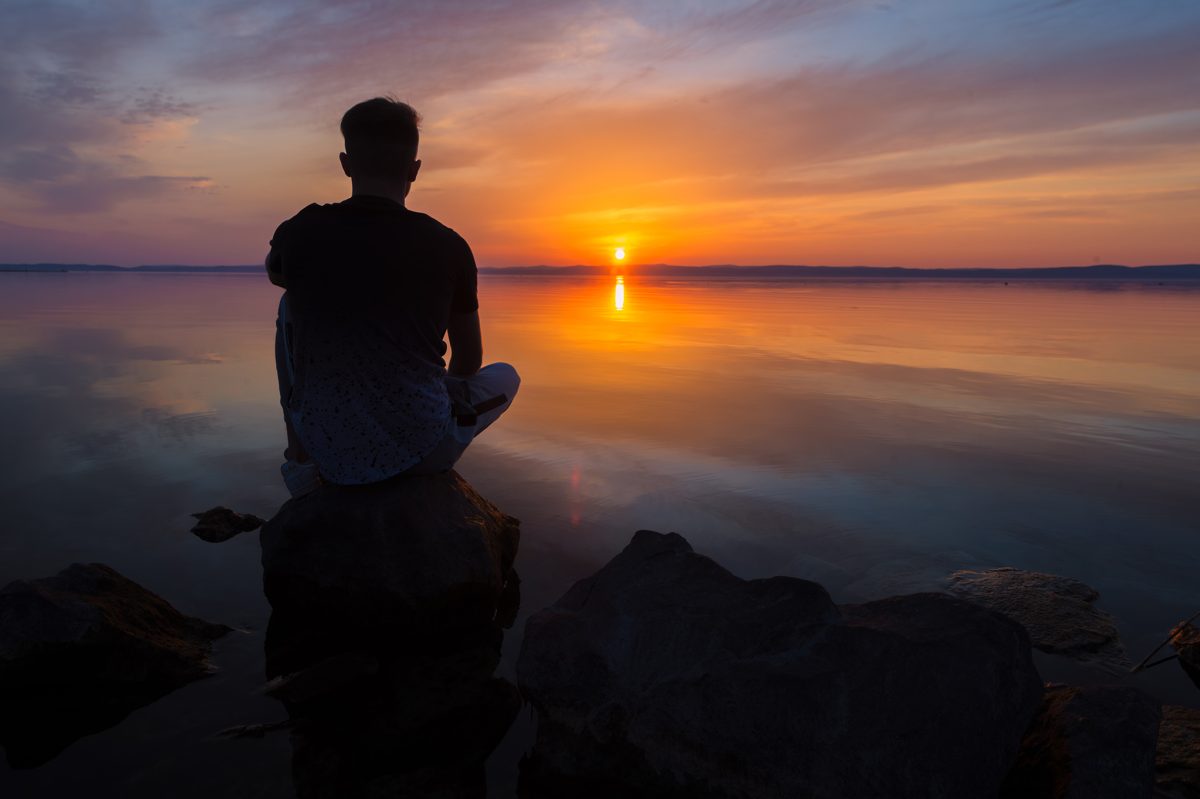




















The Magic of Sunset Photography: Techniques, Tips, and Creative Inspiration
Few things in photography are as timeless as a sunset. Every evening, the sky becomes a canvas of changing light — a perfect moment to practice patience, emotion, and timing.
For photographers, understanding how to capture this daily miracle transforms an ordinary image into art.
Whether you’re traveling the world or shooting close to home, these sunset photography tips will help you master the golden light and create unforgettable images.
1. Understand the Light Before the Sunset
The best sunset photos often happen before the sun disappears.
During the golden hour, the sunlight is soft, warm, and directional — ideal for portraits and landscapes alike.
Use this time to frame your composition and experiment with photography in golden hour. As the light changes every minute, so should your exposure.
💡 Pro tip: Stay at least 30 minutes after the sun sets — the blue hour can offer some of the most magical tones of the day.
2. Camera Settings for Sunset Photography
Mastering exposure is key in how to photograph sunsets.
Here’s a simple setup to start with:
-
Mode: Manual or Aperture Priority
-
Aperture: f/8 to f/16 for sharp landscapes
-
Shutter speed: Adjust for brightness (1/125–1/250)
-
ISO: As low as possible (100–200)
-
White balance: “Cloudy” or “Shade” for warmer tones
Don’t be afraid to underexpose slightly — it enhances the colors and prevents blown-out highlights.
These are the best settings for sunset photography to retain detail and mood.
3. Composition Matters More Than the Sun
A sunset is not only about the sun itself. The foreground gives context and emotion to your image.
Include silhouettes, reflections, trees, mountains, or people to create a sense of scale.
Experiment with sunset photography techniques like leading lines, rule of thirds, and framing. A strong composition tells a story — not just shows a scene.
4. Capture Colors and Atmosphere
Sunsets are about emotion, not just color. Learn to work with hues — from golden orange to deep violet.
Adjust your exposure to emphasize saturation, or use polarizing filters to reduce glare.
If you love capturing colors in photography, sunset is the perfect training ground. The light shifts every second, teaching you how colors evolve in real time.
5. Play with Silhouettes and Shadows
One of the most creative sunset photography techniques is silhouette shooting.
Position your subject between the camera and the sun, and expose for the sky.
This creates striking outlines that convey mystery, strength, or calmness — depending on your subject’s pose.
💡 Creative sunset idea: Try shooting through objects like glass, windows, or water droplets to add dreamy distortion.
6. Use Reflections and Movement
Reflections double your composition’s impact.
Look for wet sand, calm lakes, or even car roofs after rain.
Combining symmetry and light is one of the most rewarding creative sunset ideas.
Long exposures can also add drama — capturing cloud motion or silky water surfaces. Use a tripod and ND filter for best results.
7. Find Unique Locations and Angles
For travel sunset photography, location scouting is everything.
Look for high viewpoints, coastlines, or places facing west.
But sometimes the best shots happen unexpectedly — from a balcony, a street corner, or while driving home.
Changing your angle, even slightly, can reveal an entirely new color gradient.
8. Post-Processing for Sunset Photos
Editing should enhance what was already magical.
Boost contrast gently, adjust highlights, and fine-tune color temperature.
Avoid over-saturating — let the photo breathe.
A good sunset edit preserves the feeling of warmth and calm that made you press the shutter in the first place.
9. Experiment, Reflect, and Return
Every sunset is different.
What worked yesterday won’t work today — and that’s what makes sunset photography endlessly exciting.
Take notes, compare your exposures, and revisit the same spot under new conditions.
Over time, you’ll develop your personal rhythm and visual signature.
Final Thoughts
Sunset photography is a lesson in impermanence — light fades, shadows stretch, colors vanish.
But in those fleeting moments, photographers find magic.
So next time the sky begins to glow, don’t just watch — capture it.
With the right sunset photography techniques, patience, and curiosity, you’ll turn every evening into a masterpiece of light and emotion.