








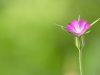
The Art of Spring and Flower Photography: Capturing Nature in Bloom
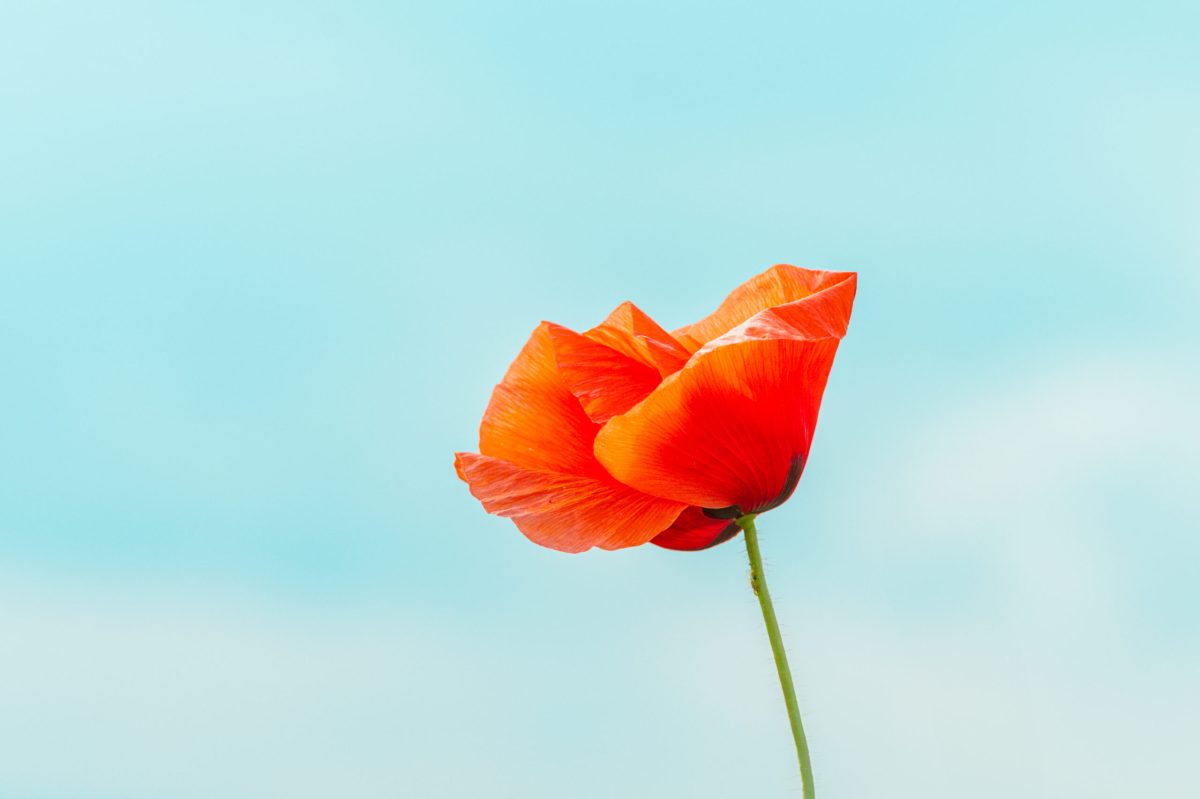
Spring is a season of renewal — when color, texture, and light return to the world. For photographers, it’s the perfect time to explore nature’s delicate beauty and experiment with new perspectives.
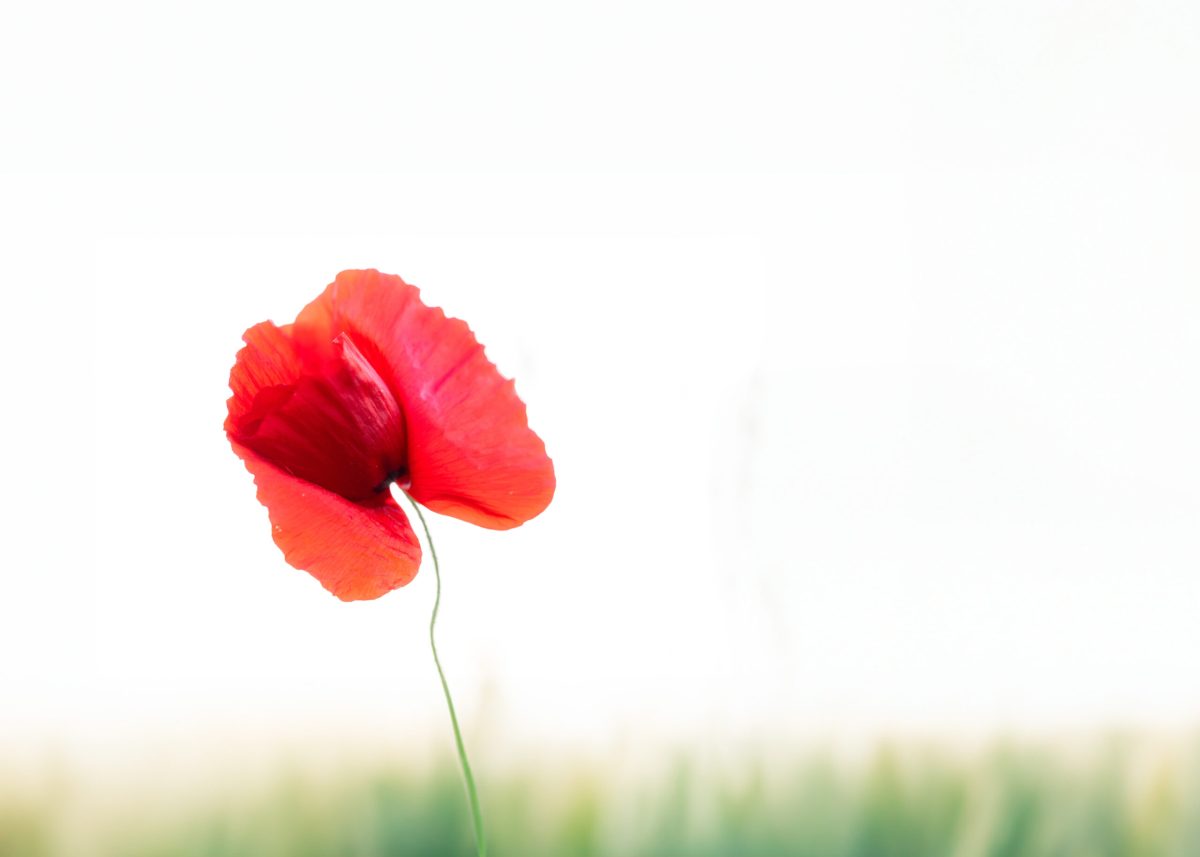
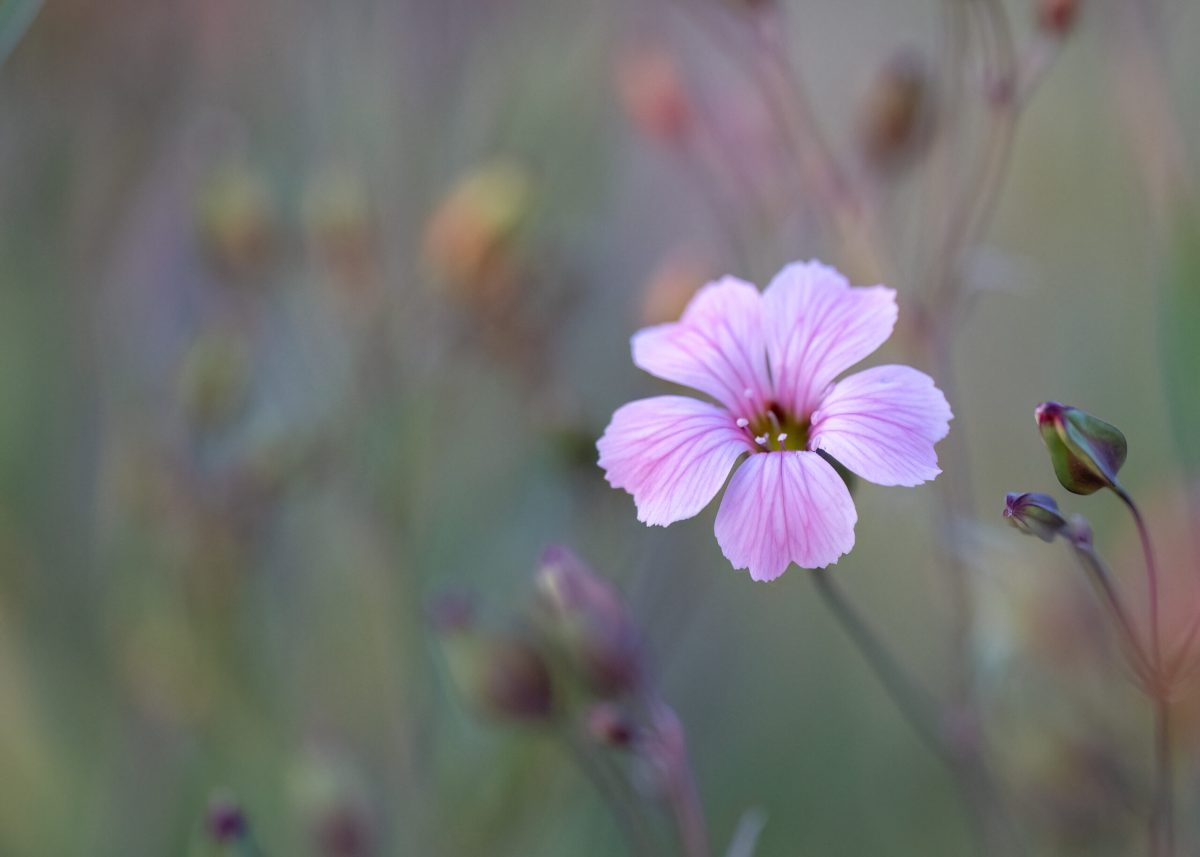
Whether you shoot vast fields of tulips or a single petal kissed by morning dew, flower photography is all about patience, sensitivity, and attention to detail.
In this guide, you’ll find essential flower photography tips and spring photography inspiration to elevate your work beyond simple snapshots.
1. Follow the Light
Natural light defines every great photo, but in spring it becomes truly magical.
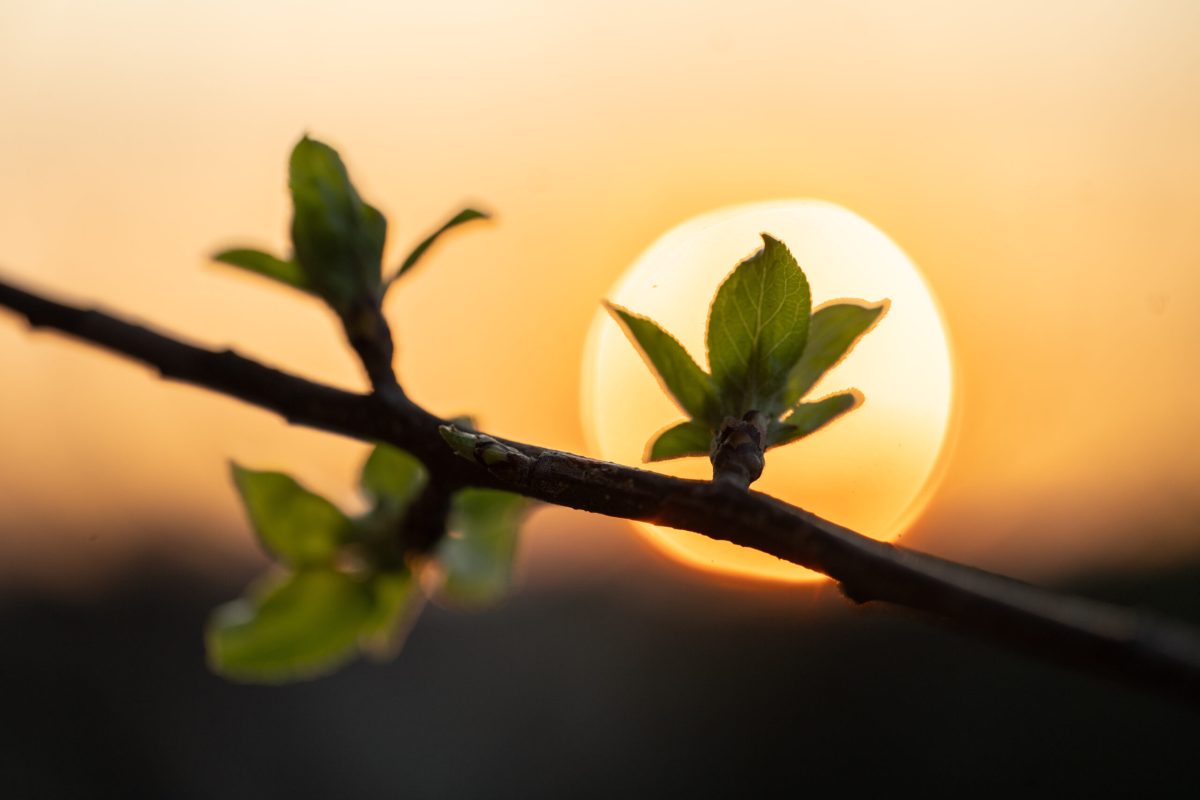
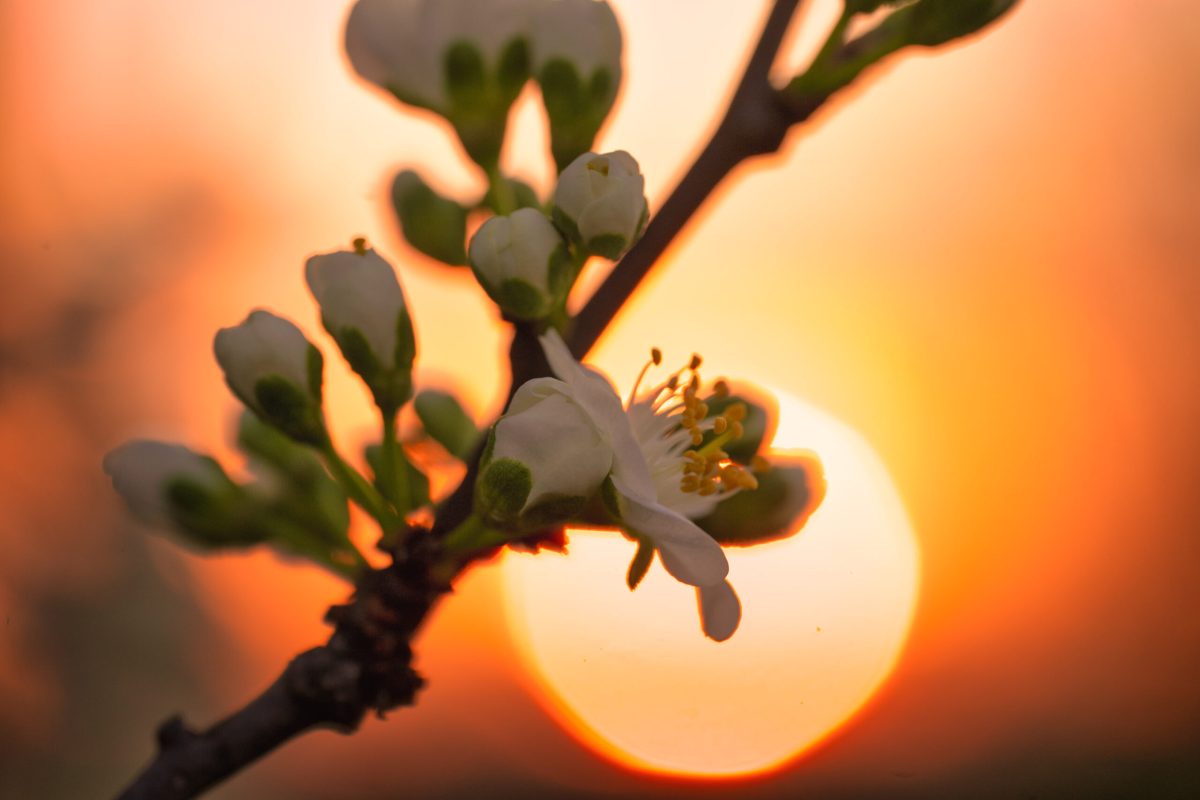
Soft morning light enhances pastel tones, while golden evening rays add warmth and drama.
When practicing photography in natural light, avoid harsh midday sun — it can wash out delicate flower colors. Overcast days are ideal for soft, diffused illumination that reveals texture and depth.
💡 Pro tip: Use a reflector or a white sheet of paper to bounce light gently onto the subject and reduce shadows.
2. Understand Your Subject
Before you photograph a flower, spend a few minutes observing it.
How does it move with the wind? How does the light touch its petals?
This mindfulness transforms your image from simple documentation into emotional storytelling.
Nature photography techniques often rely on anticipation — waiting for that one perfect moment when the scene feels alive.
3. Best Camera Settings for Flower Photography
To capture the fine details of a bloom, balance sharpness and softness carefully.
Here’s a good starting point:
-
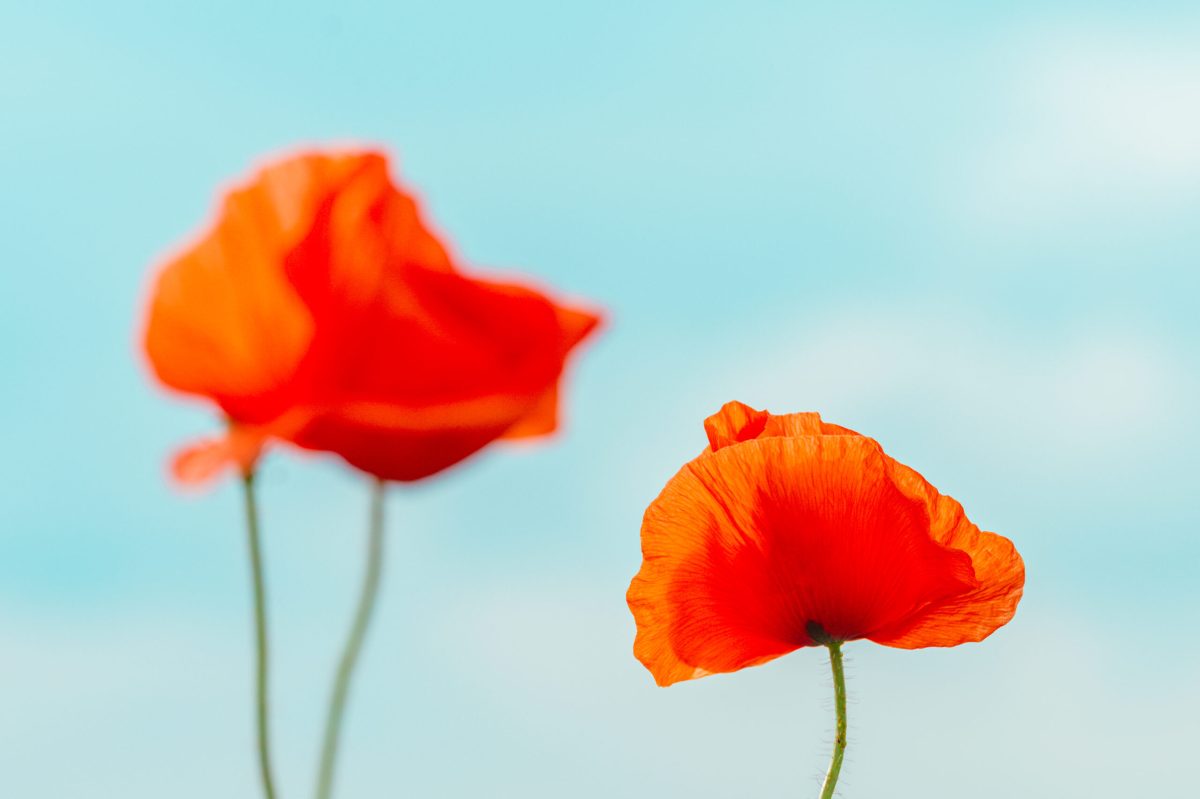
Aperture: f/2.8–f/5.6 for soft backgrounds, or f/8–f/11 for more depth.
-
Shutter speed: at least 1/250 to freeze motion in the wind.
-
ISO: 100–400 for clarity.
-
Focus: use manual focus for precision.
Mastering the best camera settings for flower photography ensures crisp details and dreamlike backgrounds.
4. Experiment with Macro Flower Photography
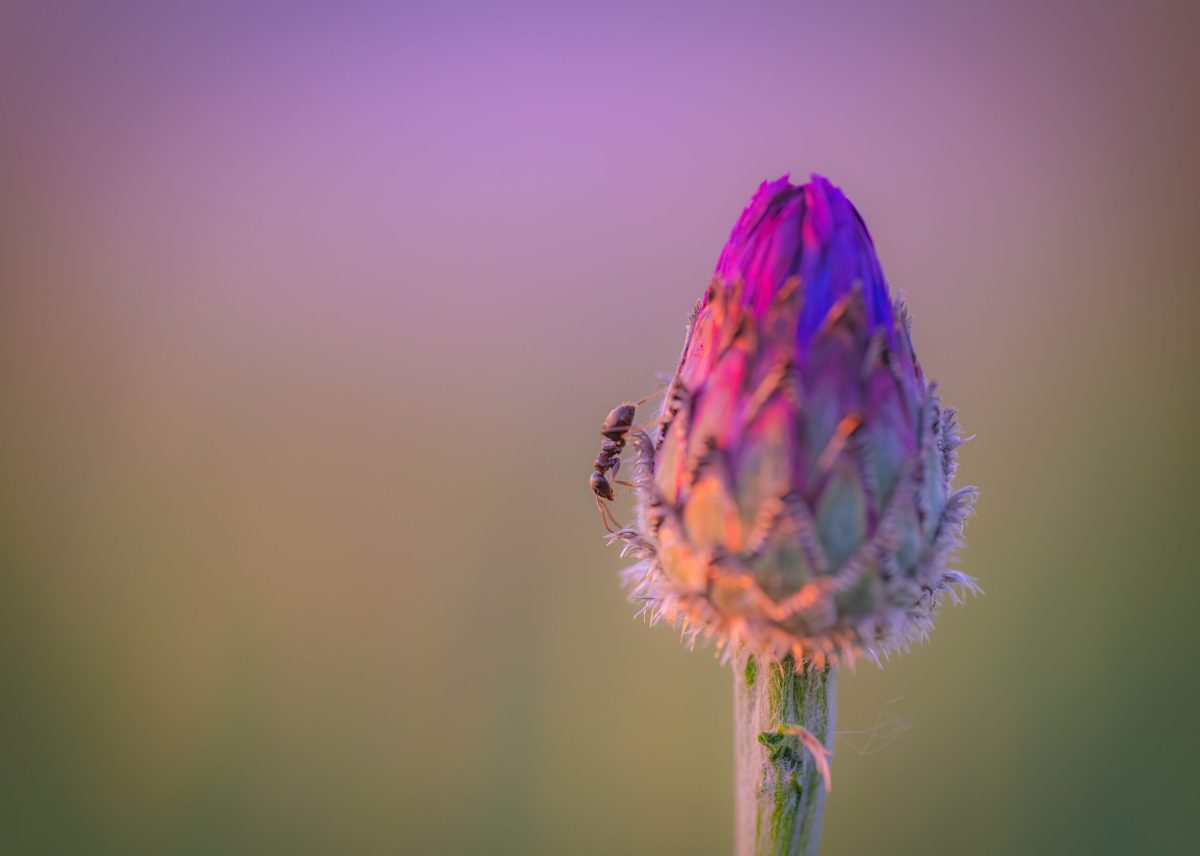
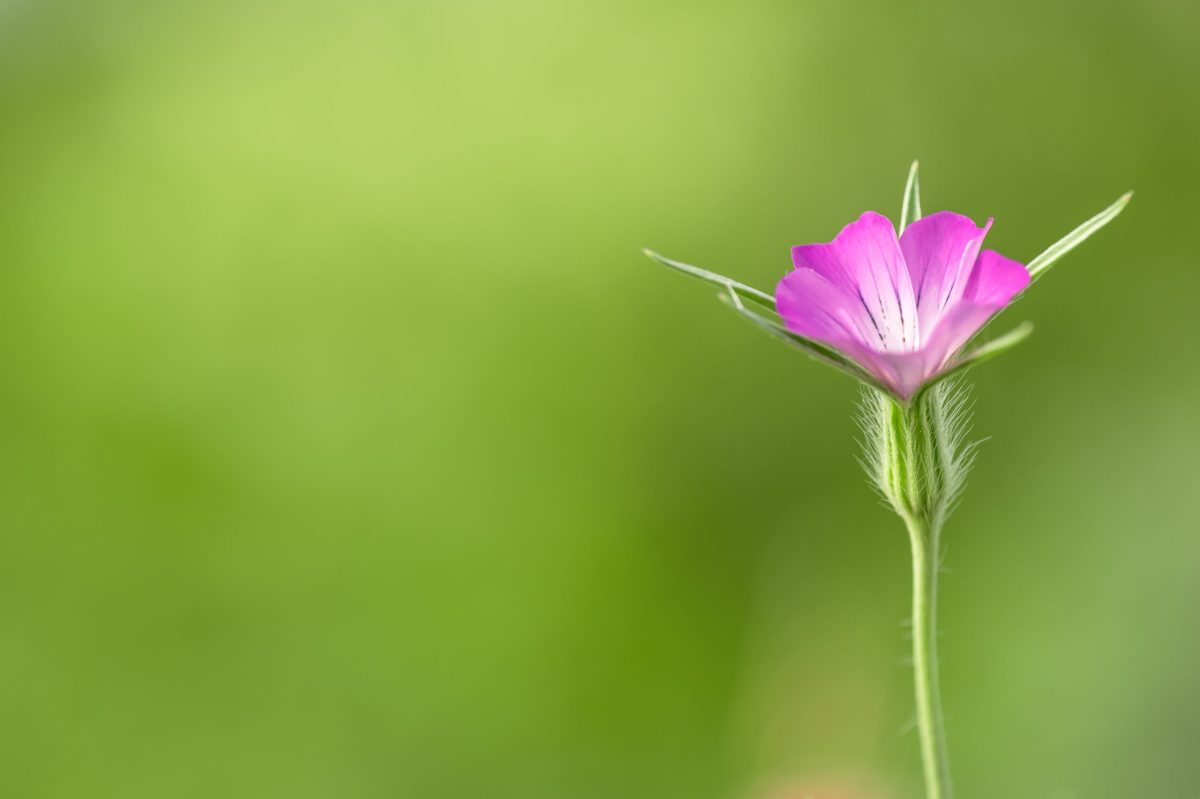
Spring is the perfect season to explore macro flower photography — revealing tiny worlds invisible to the naked eye.
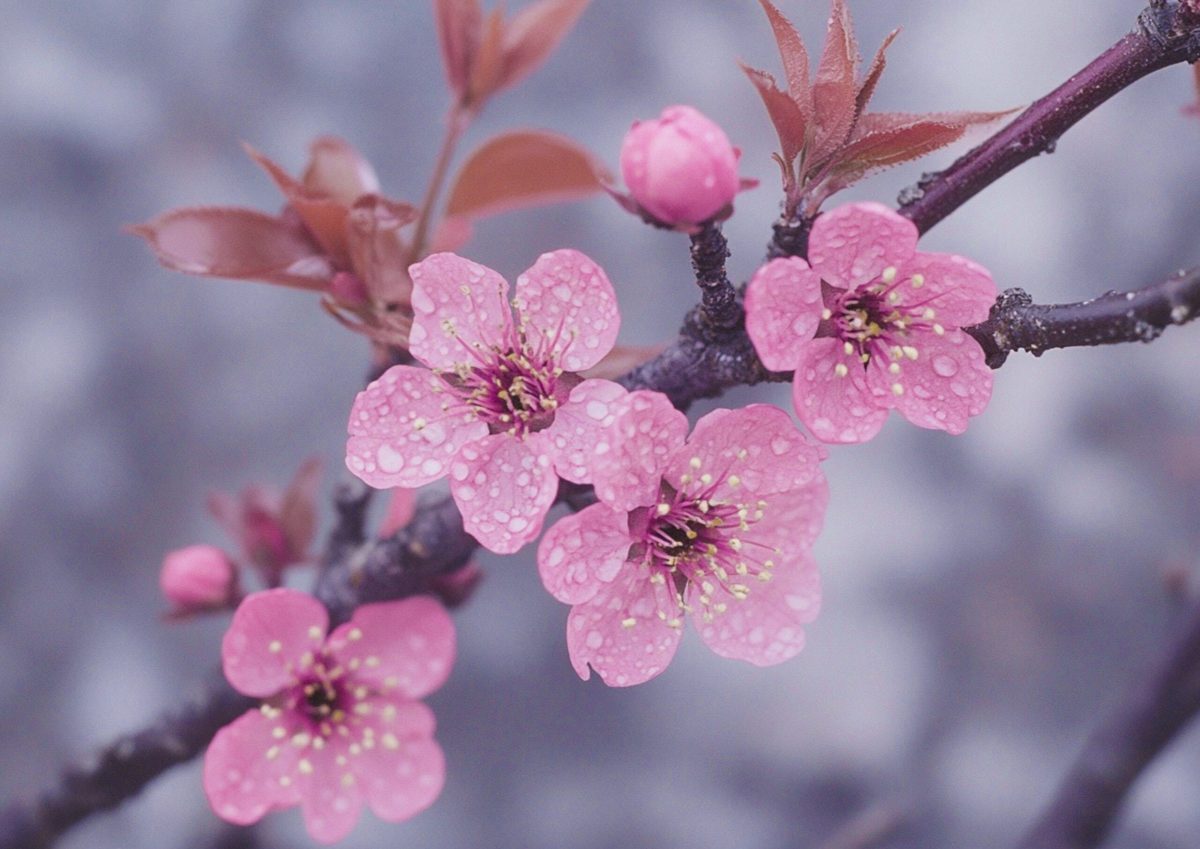
Get close enough to see pollen grains, raindrops, or the subtle texture of petals.
Use a macro lens or extension tubes, and focus manually for greater control.
A tripod helps maintain stability and sharpness at high magnifications.
💡 Creative tip: Try shooting through translucent petals with backlighting for an ethereal glow.
5. Composition and Perspective
Don’t just photograph flowers from above — move around them.
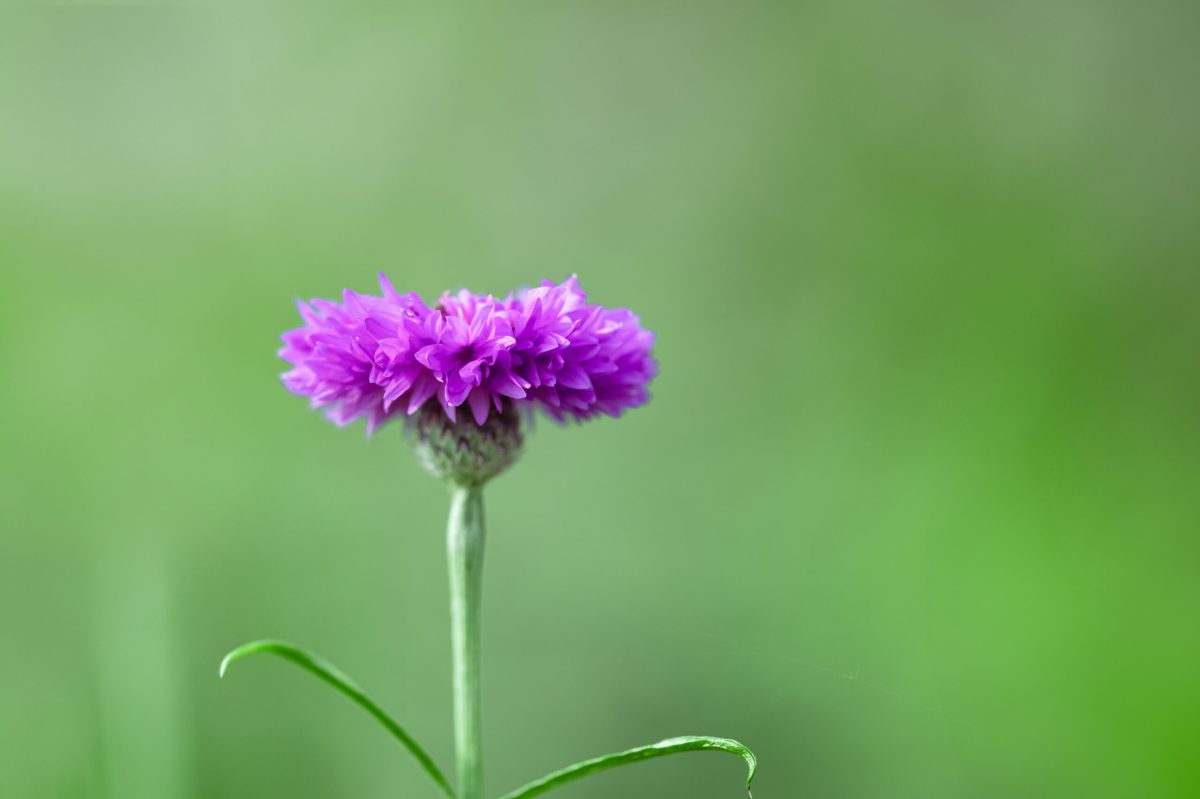
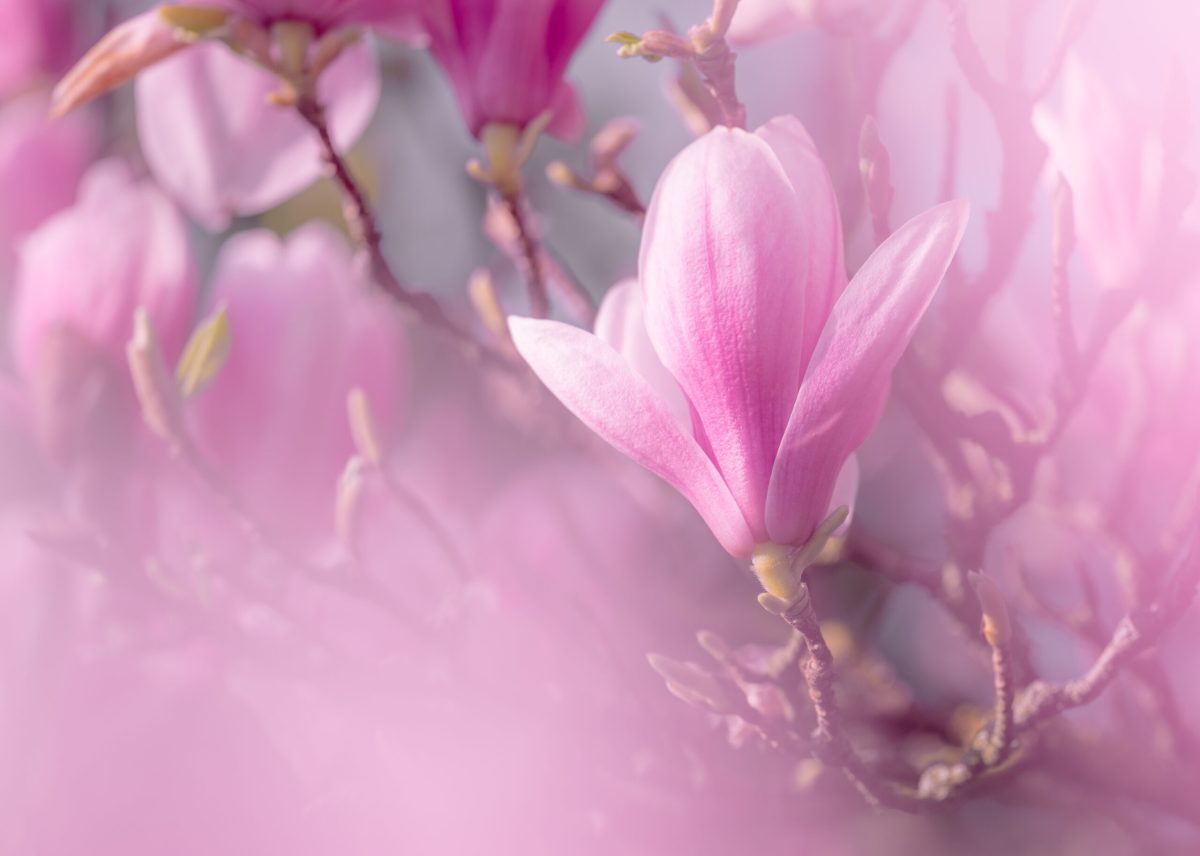
Get low, shoot from ground level, or look directly through other blossoms to create layered depth.
Use color and composition in photography to guide the viewer’s eye:
-
Look for patterns, symmetry, and contrast.
-
Frame with surrounding leaves or stems.
-
Combine complementary colors for visual harmony.
6. Creative Spring Photography Ideas
Spring offers endless creative opportunities:
-
Capture reflections of flowers in puddles after rain.
-
Include insects like bees or butterflies for motion and life.
-
Use slow shutter speeds on windy days for gentle blur and painterly movement.
These creative spring photography ideas help you go beyond simple flower portraits — turning nature into art.
7. Post-Processing: Keep It Natural
When editing, resist the urge to oversaturate. Spring colors are already vibrant; enhancing them too much can make your photo feel artificial.
Focus instead on contrast, brightness, and gentle color grading.
Editing should amplify emotion, not overpower it.
8. Tell a Story Through Seasons
Each bloom is temporary — and that’s what makes it precious.
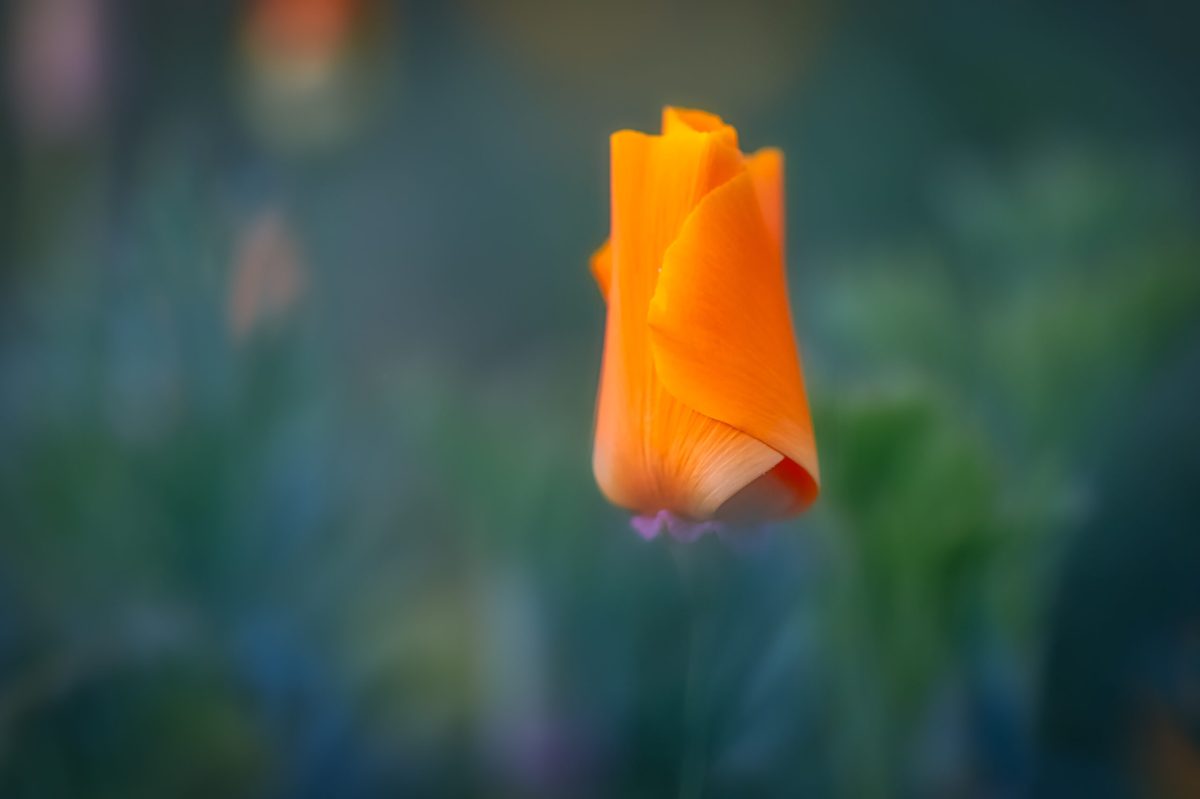
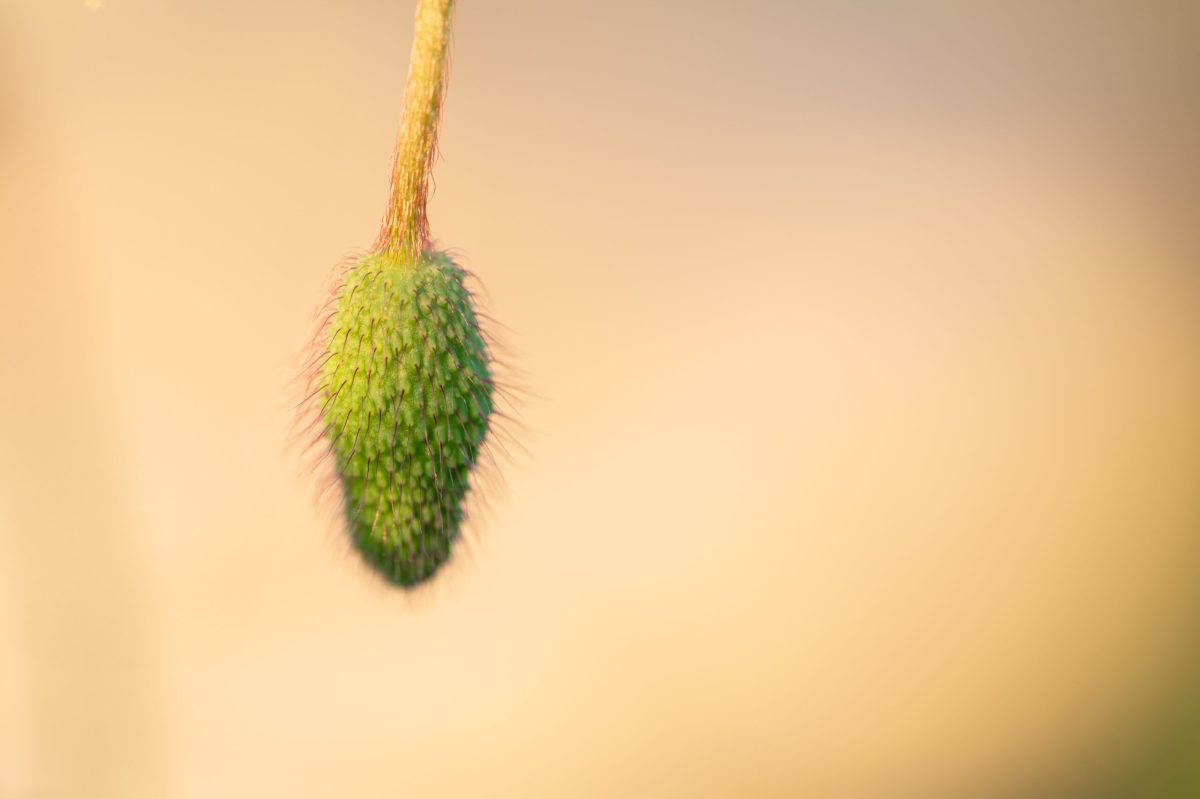
Document the transition: buds opening, petals falling, fields changing color.
True spring photography inspiration comes from observing nature’s rhythm and translating it into images that feel alive.
Final Thoughts
Spring and flower photography remind us to slow down and appreciate details we often overlook.
A single petal, a ray of light, or a soft breeze can become the center of your composition.
So grab your camera, head outside, and let the season guide your creativity.
Through patience, light, and emotion, you’ll discover that how to photograph flowers is really about learning to see — not just to look.